
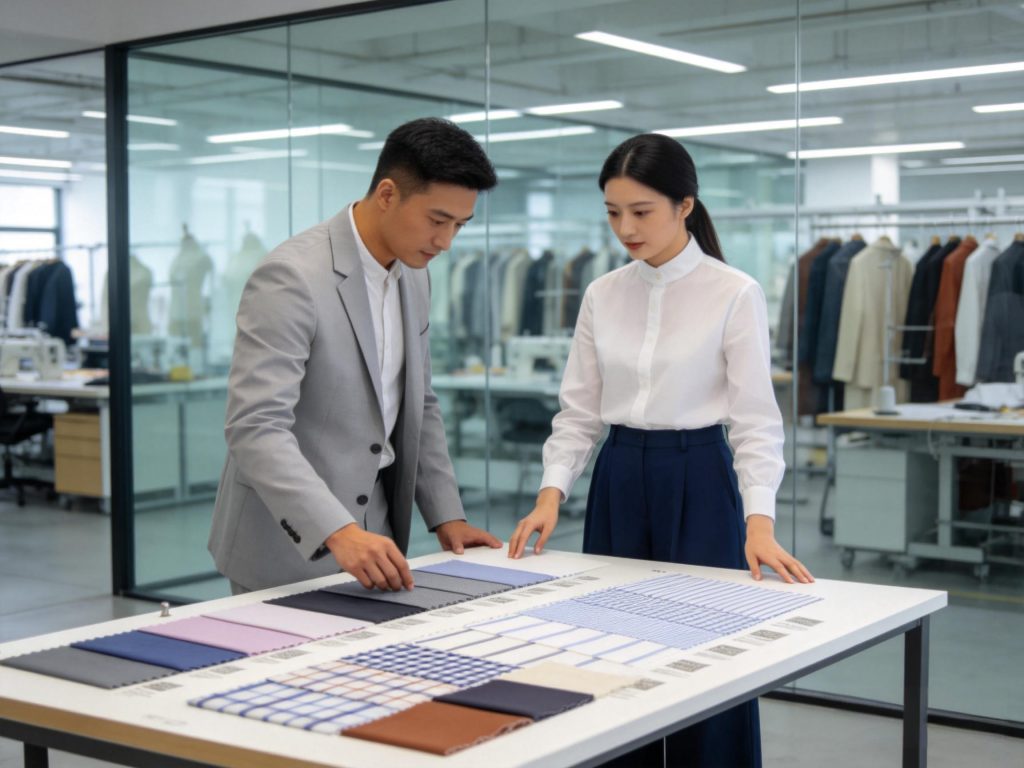
Choosing the right fabric for formal men’s dress shirts is more than just a design decision—it’s a choice that shapes comfort, style, and customer loyalty. The fabric you select directly influences how the shirt fits, feels, and performs in different settings. For brand owners, understanding fabric properties is critical to creating a collection that resonates with your target audience. Whether you’re designing for business professionals, special events, or everyday formal wear, the right material can elevate your shirts from ordinary to exceptional.
Why Fabric Matters in Formal Men’s Dress Shirts
Formal dress shirts are a staple in every man’s wardrobe, and fabric is the foundation of their quality. A poorly chosen fabric can make even the most well-designed shirt feel uncomfortable or look cheap. High-quality fabric ensures the shirt drapes well, retains its shape, and stays comfortable all day long. It also affects durability—shirts made with premium materials hold up to repeated washes and wear, reducing customer complaints and boosting repeat purchases. Additionally, fabric sends a message about your brand: luxury fabrics signal sophistication, while practical blends appeal to busy, functional shoppers.
Best Fabrics for Different Seasons (Spring/Summer vs. Fall/Winter)
Seasonality plays a key role in fabric selection for formal men’s dress shirts. For spring and summer, lightweight, breathable fabrics are essential. Cotton is a timeless choice here—especially lightweight cotton varieties like poplin or voile. These fabrics are soft, breathable, and keep the wearer cool in warm weather. Linen is another top pick for warmer months; it’s naturally moisture-wicking and has a relaxed, textured appearance that works for casual formal events.
For fall and winter, heavier fabrics provide warmth without sacrificing style. Flannel cotton offers a soft, cozy feel while maintaining a formal look. Twill cotton, with its distinctive diagonal weave, is thicker and more durable, making it ideal for cooler temperatures. Wool blends are also a great option—they add warmth and a touch of luxury, perfect for holiday events or business meetings in cold weather.
Key Fabric Features to Prioritize
When selecting fabric for formal dress shirts, focus on three key features: breathability, durability, and wrinkle resistance. Breathability ensures comfort during long workdays or events, especially in warm climates. Durability guarantees the shirt lasts, which builds trust in your brand. Wrinkle resistance is a practical feature for busy professionals who don’t have time to iron daily.
Other important factors include texture and sheen. A smooth, subtle sheen (like that of Egyptian cotton) adds a luxury touch, while a matte finish is more understated and versatile. Fabric weight also matters—lighter weights work for warmer seasons, while heavier weights are better for cooler weather. Always consider how these features align with your target audience’s lifestyle.
Choosing the Right Fabric for Your Brand Identity
Your fabric choice should align with your brand’s unique identity and values. Luxury brands should prioritize premium, natural fabrics like Egyptian cotton or linen. These materials have a premium feel and appearance that matches high-end pricing. For mid-range brands, cotton-polyester blends are a great balance—they offer comfort and durability at a more accessible price point.
Casual formal brands can experiment with innovative blends, such as cotton-linen or cotton-modal mixes, to create a more relaxed yet polished look. Sustainable brands should focus on organic cotton or recycled fabric blends, which appeal to eco-conscious shoppers. Remember, your fabric selection tells your brand’s story—choose materials that reflect what your brand stands for.
Practical Tips for Fabric Testing & Selection
Never commit to large fabric orders without testing samples first. Request fabric swatches to feel the texture, check the drape, and test how it holds up to light stretching and rubbing. Wash the swatches to see if the color fades or the fabric shrinks. This step prevents costly mistakes and ensures the fabric meets your quality standards.
Work with a trusted manufacturer or fabric supplier who can provide expert advice. They can help you select fabrics that fit your budget, style, and functional needs. They can also recommend fabric weights and weaves that work best for your specific shirt designs, such as slim-fit vs. regular-fit styles.
How Fabric Impacts Customer Satisfaction
The fabric of your formal dress shirts directly affects customer satisfaction and loyalty. A comfortable, durable shirt will keep customers coming back for more. On the other hand, a shirt that’s scratchy, wrinkles easily, or falls apart after a few washes will damage your brand’s reputation.
Customers notice small details—like how the fabric feels against their skin or how well it maintains its shape throughout the day. By prioritizing high-quality fabrics, you’re showing your customers that you care about their experience. This attention to detail builds trust and turns first-time buyers into loyal brand advocates.