
Freight Options, Customs Changes, and Delivery Times for USA, Canada, Netherlands and Australia
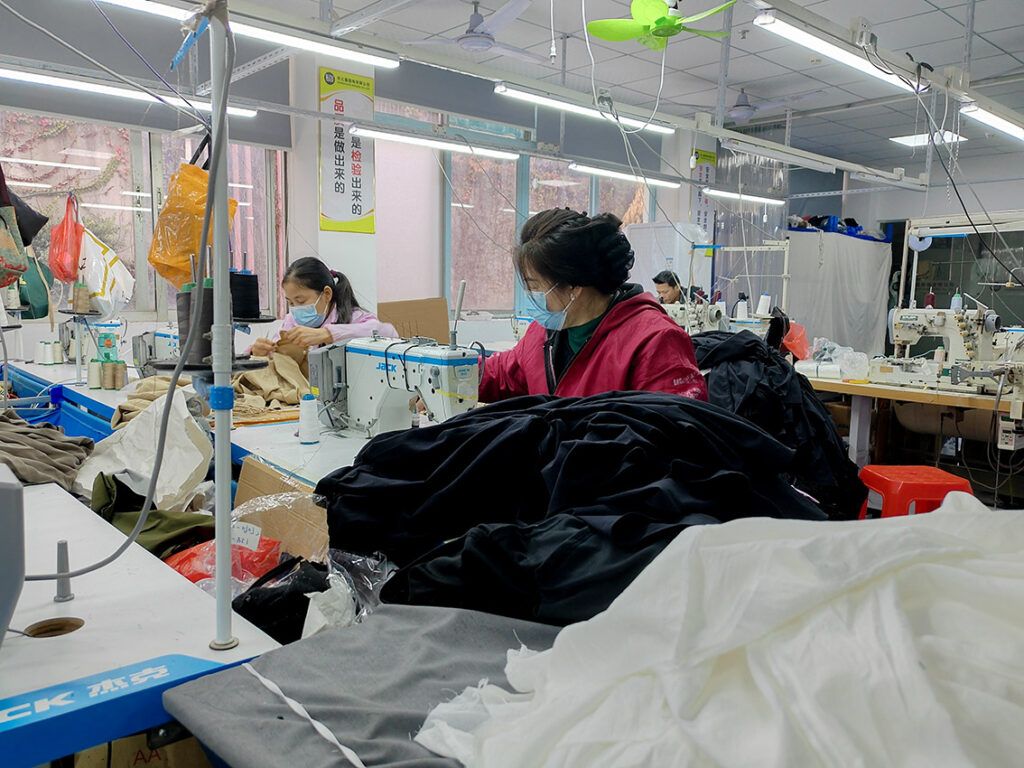
Shipping from China to your warehouse should not be a guessing game. Many buyers focus only on the factory price. Then they get surprised by shipping costs, customs delays, or long transit times. A good garment supplier helps you plan logistics early. Our factory has sent menswear to 18 countries since 2008. We know the routes, the documents, and the common problems. This article explains freight options for the USA, Canada, Netherlands, and Australia. You will also learn about recent customs changes. We share real transit times from our 2025 shipping records. And we show how we pack and mark cartons for smoother clearance.
Sea Freight: The Most Common Choice
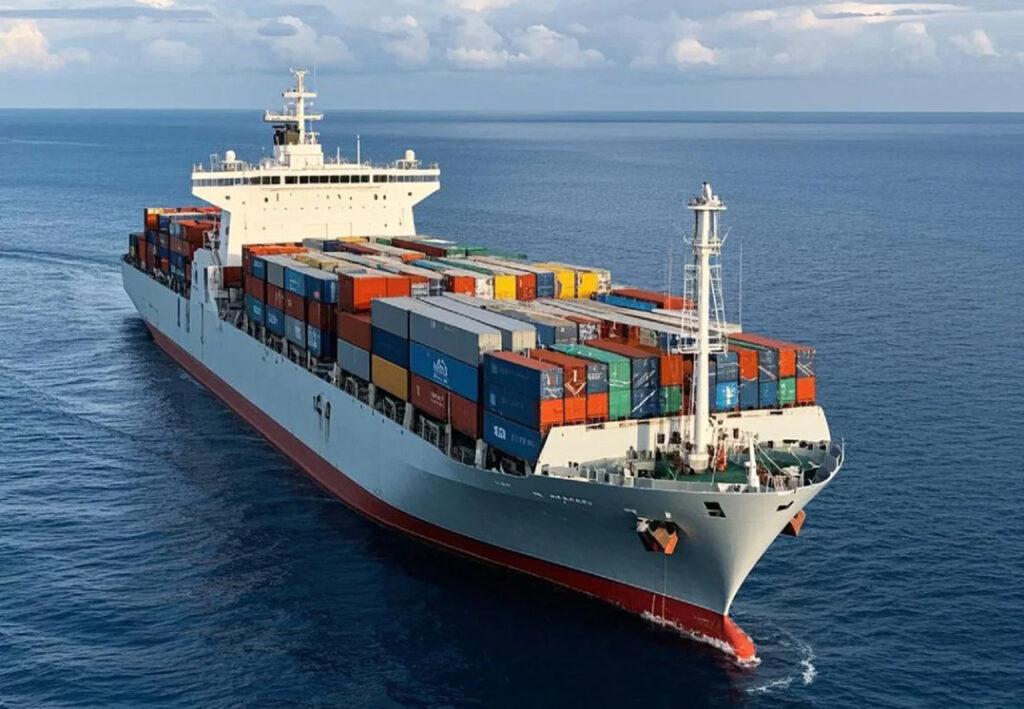
Sea freight is best for orders above 2,000 pieces. It costs 80 percent less than air freight. But it takes four to six weeks. From our port in Shenzhen to Los Angeles is 16 days on water. To Rotterdam is 28 days. To Sydney is 18 days. To Vancouver is 22 days. These are vessel sailing times, not total delivery. You must add 5 to 7 days for origin handling and 3 to 5 days for destination customs. So total from factory to warehouse for a Los Angeles order is about 26 days. For Rotterdam, about 38 days. In 2025, 67 percent of our orders went by sea. We consolidate orders into 20‑foot or 40‑foot containers. A 20‑foot container holds about 8,000 denim trousers. A 40‑foot container holds about 16,000. We help you choose FCL or LCL based on your volume.
Air Freight: When Speed Matters
Air freight is three to five times more expensive than sea. But it is fast. From our factory to Chicago takes 6 to 8 days total. To Amsterdam takes 7 to 9 days. To Melbourne takes 8 to 10 days. Air freight works well for urgent restocks or sample orders. Minimum charge is 45 kilograms. A 45‑kg box holds about 60 denim trousers. In 2025, 18 percent of our shipments used air freight. Most were orders between 300 and 1,200 pieces. For a 600‑piece order to the USA, air freight costs about 4.50perpiece.Seafreightforthesameorderwouldbeabout0.90 per piece. But sea adds 24 days of transit time. Some clients choose air for their first order. Then they switch to sea for repeat orders. We quote both options so you can decide.
Express Shipping for Sample and Small Batches
Express couriers like DHL or FedEx are fastest. Delivery in 3 to 5 days worldwide. Cost is highest, at 8to12 per kilogram. But there is less paperwork. One invoice and one packing list are enough. Express is ideal for sample shipments of 5 to 50 pieces. In 2025, 15 percent of our shipments used express. Most were sample approvals or urgent small orders. We pack express boxes under 30 kilograms to avoid overweight fees. Our warehouse team prints express labels for you. We also arrange pick‑up on the same day the inspection finishes. For clients in the Netherlands and France, express delivery takes 4 days. For Canada, 4 to 5 days. For Australia, 5 days. We track every package and share the tracking link.
USA Customs: Recent De Minimis Changes
The USA changed its import rules in 2025. Before May 2025, shipments under 800enteredduty‑free.Thatisnolongertrue.SinceMay2,2025forChina,allshipmentstotheUSAfaceduties.Evena100 sample must clear customs formally. A 20 percent tariff may apply to clothing imports. This change impacted many small buyers. We help by providing accurate commercial invoices. We list fabric composition, unit price, and country of origin clearly. If you have your own customs broker, we send documents digitally. If not, we can recommend a freight forwarder. In 2025, our average customs clearance time in the USA was 4.2 days. This was longer than 2024‘s 2.1 days due to the new rules. Plan for this in your delivery schedule.
Canadian and European Import Requirements
Canada requires a Canada Customs Invoice for shipments above 2,500CAD.WepreparethisforallourCanadaclients.Dutiesformen’strousersare18percentplusa3 per unit processing fee. For the Netherlands and other EU countries, you need an EORI number. Duties vary by fabric. Cotton trousers have 12 percent duty. Synthetics have 10 percent. The EU also requires a CE mark for certain protective clothing. But standard menswear does not need this. We include the correct commodity codes on every commercial invoice. For Australia, the duty rate is usually 5 to 10 percent for clothing. But shipments under $1,000 AUD may enter duty‑free. We mark the customs value clearly. Wrong codes cause delays. We train our team on commodity codes for 12 countries.
Freight Disruptions in 2026
Global shipping faced disruptions in early 2026. Middle East airspace closures affected Asia‑Europe routes. About 12 to 13 percent of global air freight capacity was reduced. Sea routes through the Red Sea also saw delays. Ships were rerouted around Africa. This added 10 to 14 days to Europe shipments from China. We track these events daily. When a disruption occurs, we contact our ocean freight partners. They suggest alternative ports. For example, in March 2026, we redirected one container to Rotterdam instead of Hamburg. The client‘s goods still arrived on time. We also keep 10 percent safety stock for common styles. If a shipment is delayed, we air‑ship a small portion to cover your immediate needs. A reliable garment supplier does not ignore logistics problems.
Packing for Smoother Customs Clearance
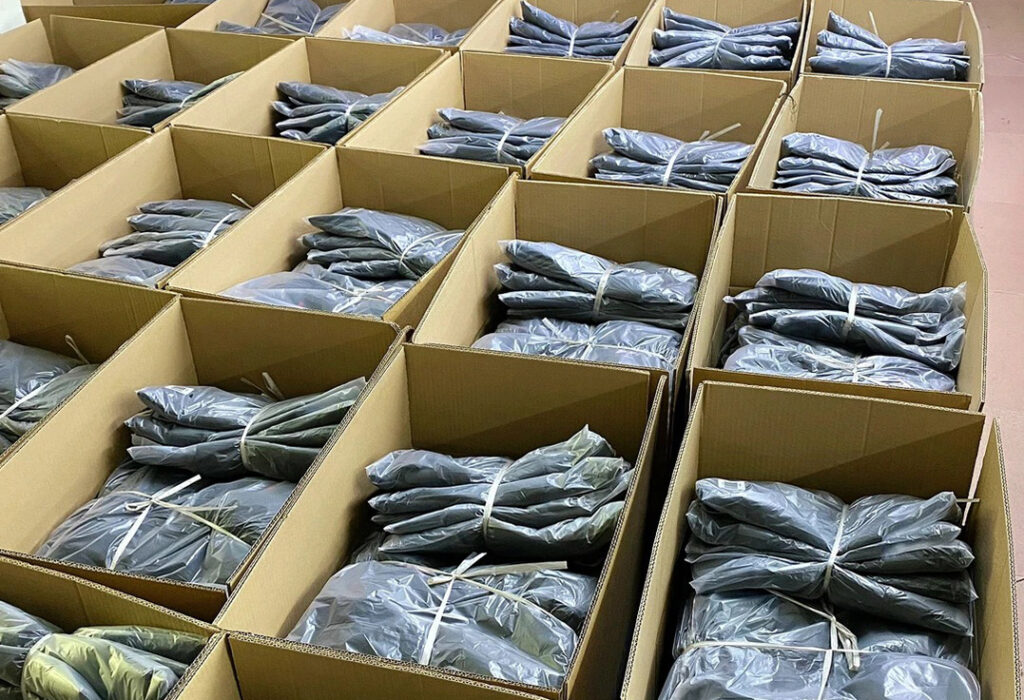
Customs officers check what they can see easily. Messy packing causes delays. We follow a strict packing protocol. Each carton has a waterproof outer layer. The packing list is glued outside in a clear sleeve. Barcodes are printed on two sides of the carton. Inside, each polybag has a label showing size and color. For USA clients, we add FTC compliance labels showing country of origin. For EU clients, we add RN numbers if required. We also put a second packing list inside the first carton. This helps if the outer label gets damaged. In 2025, our cargo had zero customs holds for documentation errors. But we saw three random inspections. Those shipments passed because every label was correct. Do not underestimate packing. It is part of the garment supplier’s job.
Case Study: Sea and Air Split Shipment for a Canadian Winter Collection
A Toronto brand needed winter trousers by October 2025. They ordered 6,000 pieces in July. Sea freight would take 32 days from order to warehouse. That was too slow. We proposed a split shipment. We made 1,000 pieces first and sent them by air freight. This covered their launch date. The remaining 5,000 pieces went by sea, arriving 25 days later. The brand sold the air‑shipment batch during pre‑season. Sales data helped them adjust the main batch‘s size distribution. Sea shipment cost was 0.85perunit.Airshipmentcostwas5.20 per unit. The total cost was higher but the launch was successful. Without split shipment, they would have missed six weeks of sales. We now offer this option to any client with a tight launch date.
Documentation Checklist for Importers
We provide these documents for every shipment. First, the commercial invoice in English. Second, the packing list showing carton count and weight per carton. Third, the bill of lading for sea freight or air waybill for air freight. Fourth, the third‑party inspection report from ASAHI LINK. Fifth, a certificate of origin if your country offers tariff preference. For Canada under CUSMA, this reduces duties. For Australia under FTA, it also helps. For the EU, a EUR.1 movement certificate may apply. Our shipping team can prepare these documents in 24 hours after packing finishes. We email PDF copies first. Then we include printed copies in a pouch on the first carton. Keep these documents for 7 years after import. Customs can ask for them during audits.
Landed Cost Calculation for Buyers
Landed cost is the total you pay before selling. It includes factory price, freight, duties, and port fees. Here is an example from 2025. An Australian client ordered 1,200 trousers at 8.50each.FOBpricewas10,200. Sea freight to Sydney was 1,800.Dutyat6percentwas612. Port handling fee was 350.Insurancewas150. Total landed cost was 13,112.Perunitlandedcostwas10.93. That is 28 percent above FOB price. For small orders, the percentage can reach 45 percent. For air freight, the percentage can be 100 percent or more. We help you estimate landed cost before you confirm the order. Our quote includes an estimated freight charge for your destination. This avoids shock later.
Why Partner with a Garment Supplier That Knows Logistics
Many factories only care about production. They put cartons on a truck and forget them. That is not our style. We have a logistics team of 4 people. They track every shipment from our door to your door. They know when to book vessels and when to use air. They watch for port strikes, weather delays, and tariff changes. In 2025, we moved 1.2 million garment units. Only 3.1 percent of deliveries were more than 7 days late. Most delays were caused by port congestion, not our error. We communicated every delay within 24 hours. Clients could adjust their store plan or warehouse schedule. This transparency keeps them coming back. If you need a garment supplier for men‘s trousers, jeans, or cargo pants, choose one that treats shipping as part of the service.