
1. The Rising Demand for Matching Sets in USA, Australia, and Europe
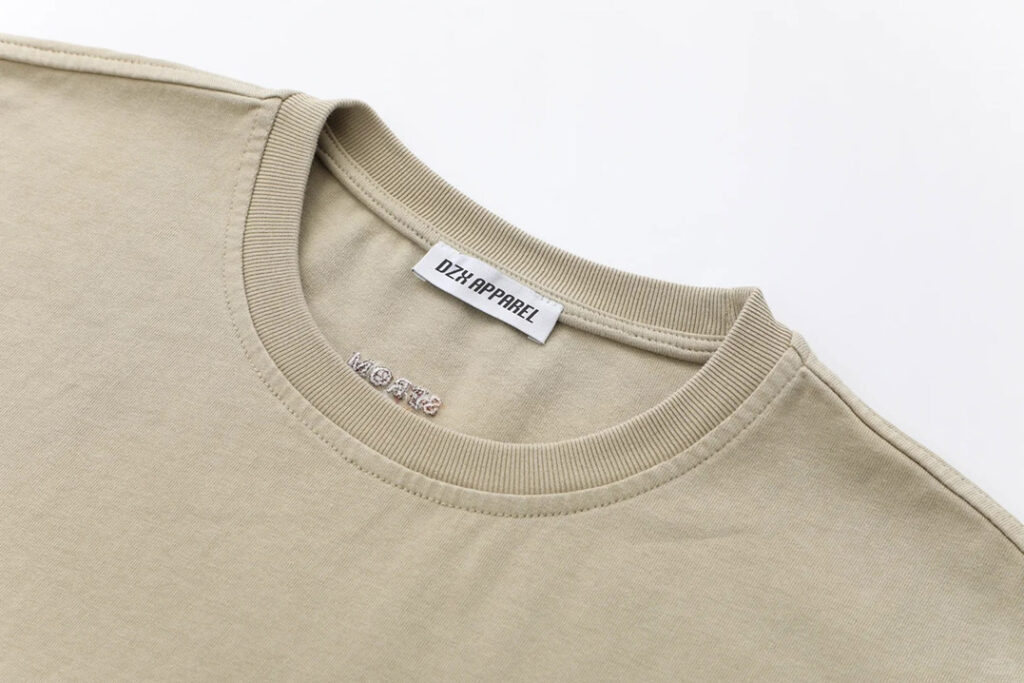
In recent years, the global streetwear market has grown from USD 187.3 billion in 2024 to a projected USD 324.59 billion by 2033, at a CAGR of 6.3%. Matching sets, also known as co-ords, are driving a large share of this growth, especially in summer. Younger consumers in the USA and Australia prefer matching sets because they offer a complete look without styling effort. In European countries like the Netherlands and France, matching sets are popular among streetwear enthusiasts who value visual impact and comfort. Our factory started producing matching sets in response to requests from our USA and Australian clients. A matching set typically includes a short-sleeve t-shirt or tank top paired with shorts made from the same fabric and color. Some sets also include a bucket hat for a three-piece bundle. We produce these sets using our existing t-shirt and shorts production lines. This setup keeps costs lower than making a completely new product category. By combining two garments into one SKU, you appeal to customers who want an easy summer outfit. Our OEM service covers every step from fabric coordination to final packing. We handle the entire process so you can focus on marketing and sales.
2. Fabric Selection for Matching Sets: Consistency is Key
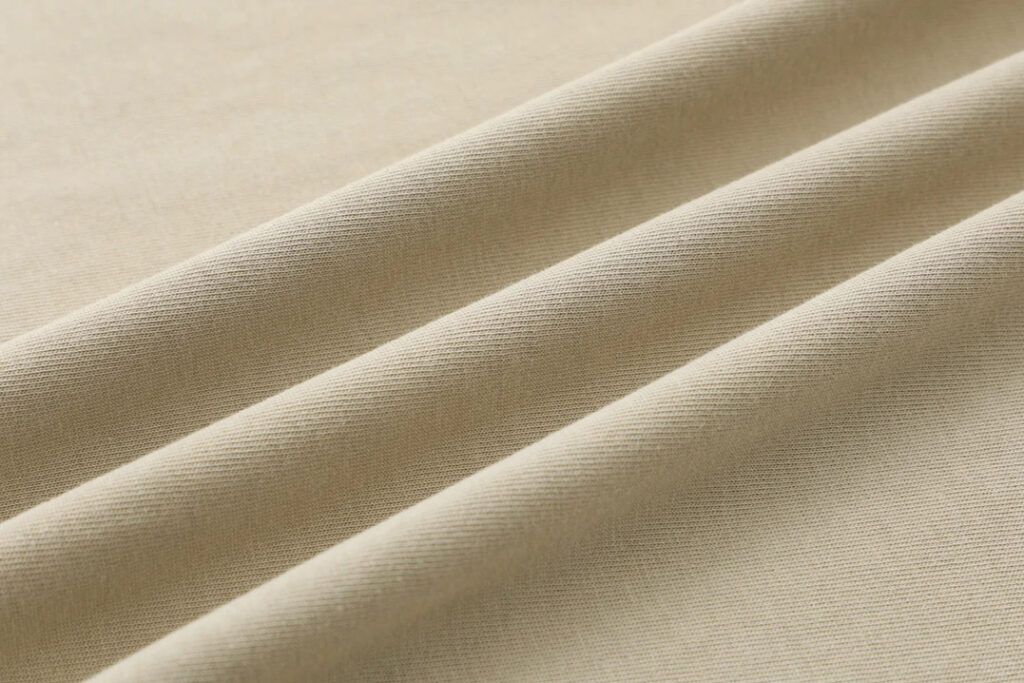
Making a matching set starts with fabric coordination. The top and the bottom must come from the same fabric batch. Even if they use the same fabric code, different batch numbers can show slight color variation. We solve this by cutting the fabric for both tops and bottoms from the same batch roll. For each set order, we reserve enough fabric for both pieces. We keep a buffer of 10% extra fabric per color to account for defects or mid-run changes. The most common fabric for summer sets is 220 GSM cotton-poly blend (70% cotton, 30% poly). This weight gives enough structure for shorts while staying soft for t-shirts. For a more premium feel, we use 260 GSM French terry. French terry has loops on the inside and a smooth face outside. It is 25% more absorbent than standard jersey. For hot summer days, we offer 180 GSM pique knit. Pique has a waffle texture that lifts fabric off the skin, improving airflow by 30% compared to flat jersey. We also offer custom dyeing for matching sets. Custom dyeing costs 0.20to0.40 per meter extra, but it guarantees perfect color consistency across your entire order. We use a spectrophotometer to measure color values. The acceptable color difference is Delta E less than 1.0. This is the industry standard for high-end streetwear. We also pre-shrink the fabric before cutting. Our pre-shrinking process uses a steam tumbler. The tumbler reduces fabric shrinkage to under 2% for cotton-poly blends. This step matters for matching sets because the t-shirt and shorts must maintain their relative proportions after washing.
3. Pattern Making and Grading for the Perfect Fit
A good matching set fits well on both the top and bottom. Our pattern makers start by drafting a block pattern based on your size chart. For men‘s summer sets, the most requested sizes are S, M, L, XL, and XXL. The shoulder-to-shoulder width on the t-shirt should match the waistband width of the shorts proportionally. For example, if the t-shirt shoulder is 48 cm in size M, the shorts waistband should be 50 to 52 cm for a balanced look. We grade our patterns using a computer program. Each size increases by 2 cm at the chest and 1.5 cm at the waist. The armhole depth increases by 0.6 cm per size. We also offer custom grading if you have specific body measurements for your target market. For the USA market, we add extra room in the chest and bicep area. USA men’s size M typically has a chest measurement of 102 to 106 cm. For the Australian market, we add length to the t-shirt body by 2 cm because Australian streetwear brands often prefer longer cuts. For European buyers, we keep the fit closer to the body with a chest measurement of 96 to 100 cm for size M. We also offer a relaxed fit version with 6 cm extra in the chest. We can produce both fits from the same base pattern by adjusting the side seam angles. We store all our graded patterns in a digital library. If you reorder a style after six months, we use the exact same graded pattern. No fit drift between seasons.
4. Production Workflow for Two-Piece Sets
Producing a matching set requires careful coordination. We cannot sew all t-shirts and then all shorts separately. If we do, the finishing steps like wash and dry might affect them differently if done at different times. So we sync the production of both pieces. The cutting department cuts the fabric for t-shirts and shorts at the same time. Each bundle of cut pieces includes enough for both pieces of multiple sets. The sewing lines then process them in parallel. We use a color-coded system where t-shirt pieces have green tags and shorts pieces have blue tags. This system prevents mix-ups during assembly. After sewing, the t-shirts and shorts go through washing together if a washed finish is required. A washed finish softens the fabric and gives a lived-in look. The washing process uses a 30-minute cycle in warm water with a softening agent. We then tumble dry the sets together. This ensures that both pieces experience the same shrinkage and wear pattern. For non-washed sets, we skip this step. We then pack each set into a single poly bag. The t-shirt folds into the shorts, or the shorts fold into the t-shirt, depending on your brand‘s presentation preference. We can also pack each piece individually but tie them with a branded paper band. Our daily production capacity for matching sets is 2,000 units. This capacity allows us to handle orders from small start-ups and mid-sized brands. For a typical first order of 200 sets, we complete production in 18 to 22 days after sample approval.
5. Quality Control Throughout Production
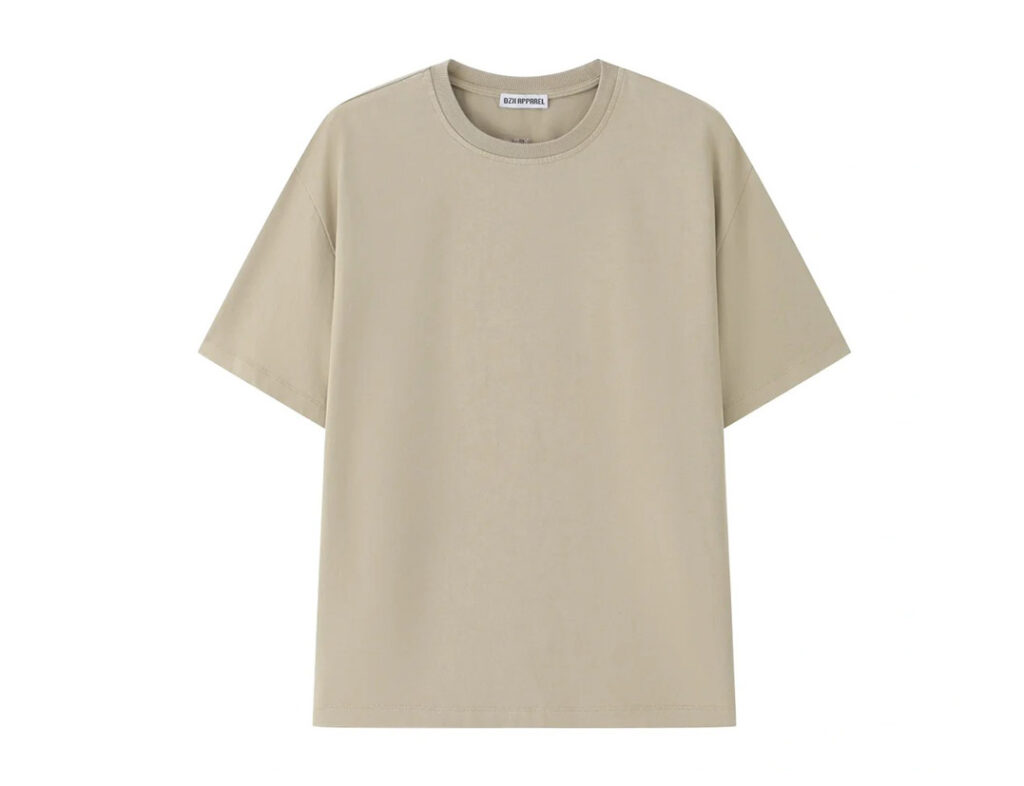
We inspect matching sets at three stages. First, during cutting, we check that the fabric grain is straight. We cut a test piece from every fabric roll and measure the grain deviation. Acceptable deviation is under 1 cm per meter. Second, during sewing, roving inspectors walk the production floor. They check each operator’s work every two hours. If they find tension issues or skipped stitches, they stop the line for adjustment. Third, after finishing, we do a 100% inspection of every set. That means we unpack each set, lay the t-shirt and shorts flat on a table, and check the following points: color match between top and bottom, seam alignment on side seams, hem stitch count, print registration, and zipper function if applicable. For matching sets, the color match between t-shirt and shorts is the most common defect. Even a small dye lot difference becomes obvious when the garments are worn together. Our 100% inspection catches these mismatches. We also check the weight of each set. For a size M set, the total weight should be within a 4% range of the target weight. We use a digital scale accurate to 1 gram. Any set outside the range gets rechecked. If the issue is fabric density, we recut that set. This level of inspection takes time, but it results in a final product that meets retail standards. Our in-house quality team includes 8 full-time inspectors. They each check 250 to 300 sets per day.
6. Third-Party Quality Check by ASAHI·LINK and Our Commitment
We take quality verification one step further by inviting ASAHI·LINK to perform a random inspection on finished sets. This third-party company has no affiliation with our factory. Their inspectors follow an AQL (Acceptable Quality Limit) sampling standard of 1.5 for major defects and 4.0 for minor defects. For a batch of 500 sets, they usually inspect 50 sets. They check the same points we do but with a fresh perspective. If ASAHI·LINK finds major defects exceeding the AQL limit, we postpone shipping and inspect the entire batch again. We then schedule a second inspection. Only after passing the second check do we release the goods. In the last two years, our pass rate on first ASAHI·LINK inspection has been 94.5%. The 5.5% failure rate mostly came from minor issues like loose threads or misaligned hang tags. We fixed those and passed the second inspection. We also provide a six-month workmanship guarantee on all our matching sets. If a seam comes undone or a print flakes off within six months of delivery, we will remake that piece at no charge. This guarantee covers normal wear, not abuse or improper washing. To date, less than 0.4% of our orders have triggered this guarantee. This data comes from our customer service records. We share it with potential clients upon request.
7. Custom Branding and Retail-Ready Packaging
Your brand name needs to appear on the product. For matching sets, we offer several branding points. We can put a woven label on the t-shirt collar and inside the shorts waistband. The same label design on both pieces creates brand consistency. For hang tags, we print double-sided cards. One side shows the t-shirt, the other side shows the shorts. This reinforces that the pieces belong together. We also offer print on the chest or shorts leg. Screen printing in 1 to 4 colors works for logo placements. For a more premium finish, we offer embroidery on the t-shirt chest and shorts leg. Embroidery costs 0.50to1.00 per placement depending on stitch count. For packaging, we offer two options for matching sets. Option A: both pieces in one poly bag with a euro hole. This saves space and reduces plastic use. Option B: each piece in its own poly bag, then both bags placed inside a larger branded poly bag. This option costs $0.15 more per set but gives a luxury unboxing feel. We also add desiccant packets to all poly bags shipped to humid regions like Singapore or Florida in the USA. This prevents moisture damage during sea freight.
8. Competitive Freight Solutions for USA, Canada, Australia, and Europe
Shipping matching sets requires more volume than shipping t-shirts alone because of the two pieces. We help you minimize shipping costs by optimizing how we pack the sets. We fold the t-shirt inside the shorts, which reduces the overall package height by 15% compared to folding them separately. This tighter pack allows you to fit 15% more sets into a container. For a 20-foot container, the standard capacity for t-shirts alone is 25,000 pieces. For matching sets tightly packed, we can fit 22,000 sets (44,000 pieces). For sea freight, we consolidate orders from multiple clients to share container space. This shared container program reduces your per-unit shipping cost by 12% to 18%. We work with freight forwarders who have dedicated lanes to Los Angeles, Vancouver, Melbourne, and Rotterdam. For small urgent orders, we use DDP shipping. DDP means we handle all costs and risks until the goods reach your door. You pay one invoice with no surprise customs fees. DDP to the USA takes 8 to 12 days. To the UK, France, or Netherlands, DDP takes 9 to 14 days. To Australia, DDP takes 10 to 15 days. DDP is not available to Canada due to different tax rules, but we offer DAP (Delivered at Place) instead. DAP means we deliver to a named destination, and you pay the import taxes. We help you calculate the tax so you can budget accurately. Our shipping team provides a full logistics plan before you commit to an order. We do not wait until goods are ready to figure out shipping. We plan it upfront.