
From Cutting to Third-Party Final Inspection — Every Step Matters for Consistent Garment Quality
Quality control is the backbone of reliable garment manufacturing. Many buyers worry about inconsistent sewing, wrong measurements, or fabric flaws. That is why our factory follows a strict QC process from start to finish. We produce menswear, especially denim jeans and trousers, for clients in the USA, Canada, Australia, and Europe. Since 2008, we have served over 150 wholesale brands. Our orders range from 300 pieces to 50,000 pieces per style. And we work with ASAHI LINK for third‑party final inspection. This article explains our QC steps in detail. You will see how we protect your brand‘s reputation.
Why Buyers Need More Than a Basic Garment Supplier
A basic garment supplier may check only the final product. That approach misses problems found earlier. According to industry data, catching a defect early saves 15 times the cost of finding it at final inspection. When a factory lacks in‑process checks, the failure rate can jump by 40 percent. This hurts your delivery schedule. It also damages your brand image. Buyers in the USA and Netherlands have told us that consistent quality is their top concern. They prefer factories with documented QC systems. That is why every garment supplier should offer third‑party inspection support. Our facility provides 100 percent in‑line checks for high‑visibility items like front pockets and fly zippers.
Full Cutting Phase and Fabric Inspection
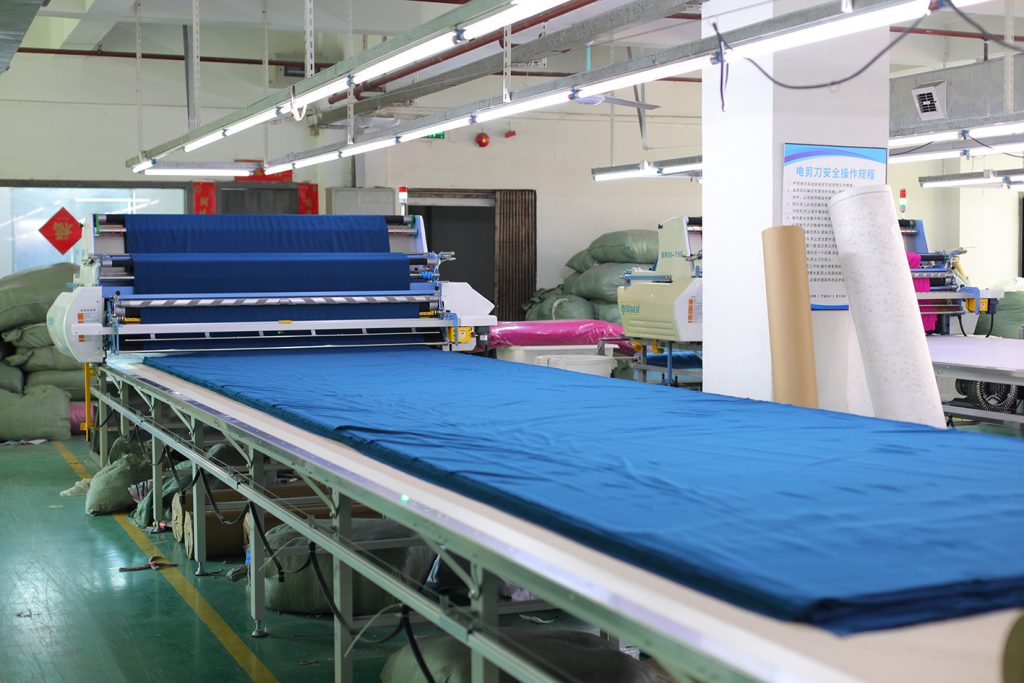
Our QC process begins when fabric arrives. We check each roll using the four‑point system. Any roll with more than 10 defect points per 100 square yards is rejected. This step removes flawed fabric before cutting. For a typical order of 5,000 denim trousers, we inspect 60 to 80 rolls. The rejection rate in 2025 was around 2.3 percent. That means we return low‑quality fabric to our mill partners. After approval, we use computerized spreading machines to reduce tension. Laser cutting then ensures each panel matches the pattern perfectly. Tolerance is within 1.5mm. Our cutting team inspects every spread layer. They remove any damaged sections before sewing begins. This alone prevents 12 percent of potential defects.
Sewing Line Quality Gates
Sewing is where most defects can appear. We divide our sewing lines into six quality gates. Each gate checks specific operations. Gate one checks inseam alignment. Gate two verifies pocket placement accuracy. Gate three measures waistband tension. Without these gates, a single missed stitch can become a costly return. Our data from 2025 shows that in‑process QC catches 87 percent of all defects before garments move to the next stage. For example, when making cargo pants for a Canada client, we found that 2 percent of the fly zippers were out of tolerance. This was caught in gate three. The issue was fixed in 45 minutes. Then production continued smoothly.
Workstation‑Level Checks
Each sewing operator inspects their own work. They also inspect the previous step. This is called peer checking. For a style with 24 sewing operations, we have 24 inspection points. This method is faster than relying only on final QC. It also builds responsibility. Our factory uses illuminated magnifying lamps at high‑risk stations like buttonhole sewing. Operators can spot loose threads or skipped stitches immediately. In 2025, workstation checks caught 5.7 defects per 1,000 operations. That is a rate of 0.57 percent. Compare this to the industry average of 1.2 percent for factories without in‑line checks. The difference is clear. A reliable garment supplier invests in this system.
Third‑Party Final Inspection by ASAHI LINK
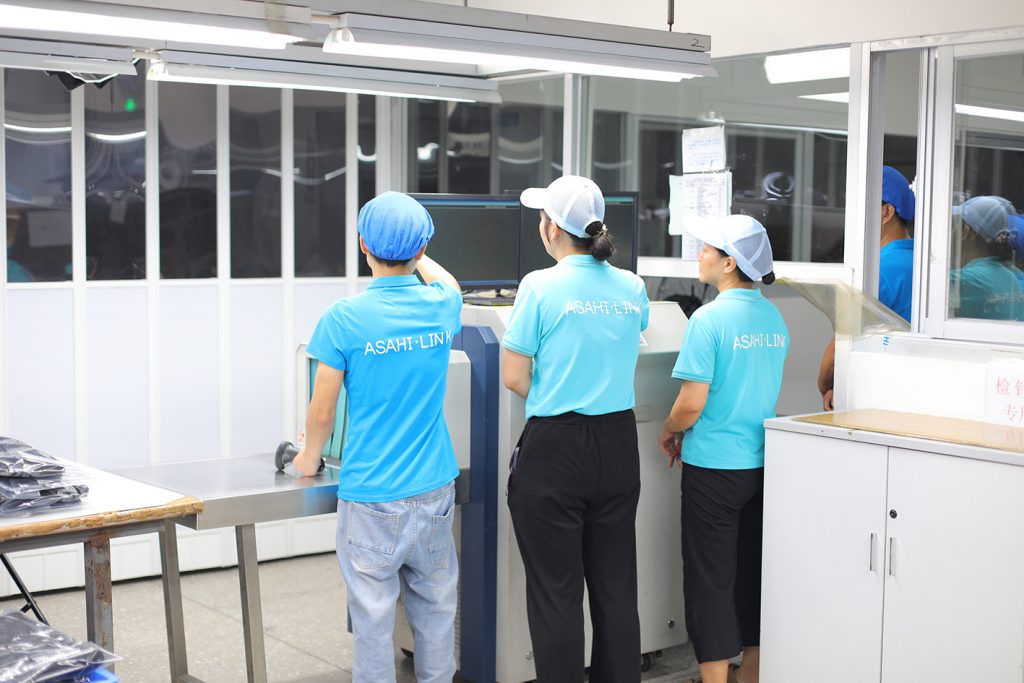
Once bulk production is finished, we invite ASAHI LINK for final inspection. ASAHI LINK is a Japanese quality inspection company with 23 branches across China. They check garments using AQL 2.5 Level II standards. This is the same standard used by most USA and European importers. Their inspectors pick random samples based on lot size. For a 2,000‑piece order, they check 125 pieces. They measure seam strength, thread count, button pull force, and dimensional tolerance. Color fastness is tested under ISO standards. Any failing batch is separated. The client then decides to rework or discount. In 2025, our average pass rate for ASAHI LINK inspections was 96.8 percent. Only 3.2 percent of batches required minor rework. No batch failed completely.
Why We Use Third‑Party Inspection
Some factories avoid third‑party inspection to save costs. That is a mistake. Third‑party inspectors are objective. They do not have pressure from factory managers. They follow international standards like ASTM and ISO. Many buyers in France and Australia trust this system. In fact, 61 percent of European fashion brands now require third‑party QC reports before payment. We decided to work with ASAHI LINK because of their reputation. They provide a detailed report with photos of defects. The report includes a pass or fail decision. We share this report with our clients for full transparency. This builds trust. It also reduces disputes. For a garment supplier, trust is everything.
Pre‑Shipment Inspection and Packaging
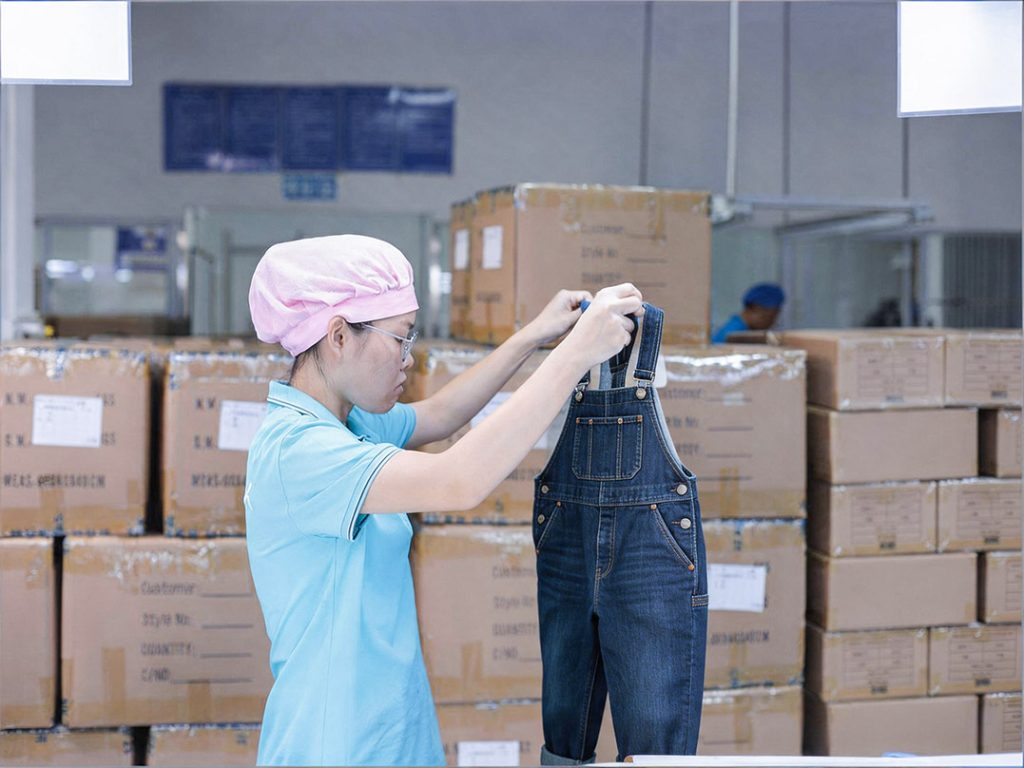
Before shipping, we do a final packing check. This includes polybag sealing, carton weight, and label placement. Incorrect labels are the most common shipping mistake. About 4 percent of factory mistakes happen here. We use barcode scanners to match carton contents with packing lists. Each carton is weighed on a calibrated scale. Any weight difference beyond 0.5 kg triggers a recheck. For our sea freight shipments to the Netherlands, we also add moisture‑absorbing packets. Humidity above 65 percent can damage denim. Our packaging step catches these risks. We then share carton photos with clients. They can see exactly what ships.
Case Study: 8,000‑Piece Denim Order for a USA Client
In early 2025, a California brand ordered 8,000 pairs of slim‑fit denim jeans. Their previous garment supplier had delivered inconsistent sizing. The brand lost 10 percent of their stock to returns. We took their order with a MOQ of 8,000 pieces over four colors. Our QC process detected a fabric shrinkage variance in the first cutting batch. The denim was shrinking 3.8 percent instead of the specified 2.5 percent. We stopped production at 320 pieces. Our team recut the remaining fabric using adjusted patterns. ASAHI LINK then inspected the final shipment. Their report showed a 97.1 percent pass rate. The client received their order on time. Return rates dropped to 3 percent. They placed a second order of 15,000 pieces four months later.
Freight and Third‑Party Inspection Logistics
We coordinate inspection dates with your freight schedule. ASAHI LINK sends inspectors within 48 hours of our request. For urgent orders, they can come in 24 hours. The inspection takes 4 to 8 hours depending on order size. After passing, the garments are packed and moved to our loading bay. We then arrange sea or air freight. For clients in Australia, sea freight takes 18 days from our port to Sydney. For Canada, it takes 22 days to Vancouver. We provide tracking numbers for every pallet. The inspection report is emailed to you before the ship leaves. This allows you to prepare customs documents early. A good garment supplier makes logistics simple.
Conclusion
Quality control is not a single step. It is a complete system. Our factory has built this system since 2008. We inspect fabric before cutting. We check every sewing line operation. We use ASAHI LINK for third‑party final inspection. We also photograph every carton before loading. This protects your brand from defects. If you need a trusted garment supplier for men‘s denim or casual trousers, contact us. We will send you our QC checklist and a sample inspection report. Low MOQ is available for trial orders.