
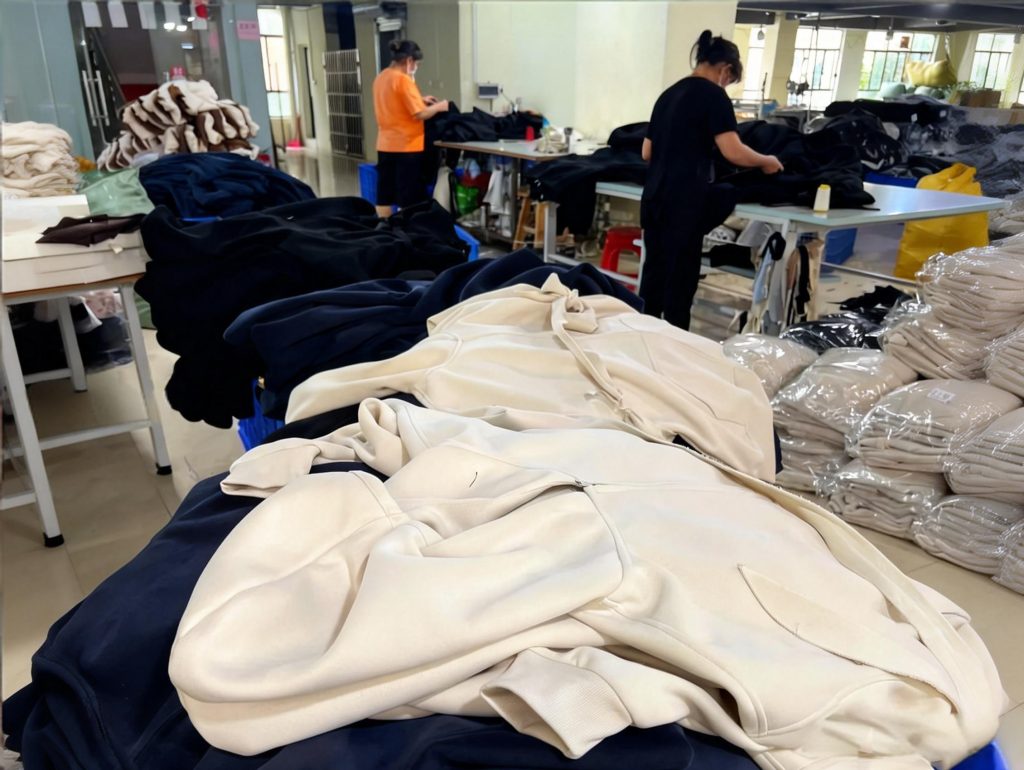
Comfort Meets Craftsmanship in Men’s Casual Wear
Every great piece of men’s casual wear starts with a simple idea: comfort that lasts. But turning that idea into a wardrobe staple takes more than just good design. It requires a meticulous manufacturing process and a focus on every small detail. For global brands, partnering with a manufacturer who masters this craft is non-negotiable. Quality casual wear never happens by accident. It comes from deliberate steps, skilled hands, and a commitment to excellence. This focus ensures every t-shirt, polo, or pair of shorts feels great, looks polished, and stands the test of daily wear. Let’s dive into the core manufacturing stages that make ordinary designs extraordinary.
Beyond the Design Sketch
Once a design gets approved, the real technical work begins. First, skilled pattern makers create precise paper templates. These templates act as a roadmap for cutting every piece of fabric. Accuracy here is critical—even a tiny error can ruin the fit of hundreds of garments. Next, experienced graders scale the base pattern into different sizes. They carefully adjust proportions for each size, from XS to XXL. This step ensures consistency across the entire size range. A small t-shirt should fit as well as a large one, with the same comfortable silhouette. This technical foundation sets the stage for the clothing’s final look and feel. Without it, even the best fabric will fall flat.
The Heart of the Matter: Fabric Processing
Before any cutting starts, the fabric needs careful preparation. Manufacturers first relax and spread the fabric to release hidden tensions. This step prevents shrinkage or distortion after the first wash— a common complaint with cheap casual wear. Then, the fabric gets laid out in smooth, even layers on a long cutting table. Using the paper patterns as a guide, computerized cutting machines slice through all layers with precision. Sharp blades and steady hands ensure clean, straight edges on every piece. These cut pieces are the building blocks of the final garment. Their quality directly impacts every subsequent step, from sewing to finishing. Skipping or rushing this stage always leads to lower-quality end products.
Fit for Every Lifestyle: Sizing and Silhouette
One of the biggest secrets to great men’s casual wear is a versatile, comfortable fit. Unlike formal wear, casual clothing needs to adapt to different body types and daily activities. Manufacturers focus on creating silhouettes that balance comfort and style. For example, a casual t-shirt might have a slightly relaxed fit for ease of movement. A polo shirt, on the other hand, might be tailored just enough to look polished without feeling tight. Additionally, size grading goes beyond just scaling measurements. Expert pattern makers adjust key areas—like shoulder width and torso length—for each size. This ensures a size S fits a slimmer man as well as a size XL fits a broader frame. A well-fitted casual garment feels like it was made just for the wearer.
Precision in Assembly: Stitching and Sewing
Now, the cut fabric pieces come together through skilled stitching and sewing. Factories assign different machine specialists to handle specific parts of the garment. One specialist might attach sleeves to t-shirts, while another focuses on setting collars for polos. For men’s casual wear, certain stitches are non-negotiable. Reinforced seams on shoulder seams and pocket edges add durability—critical for items worn daily. Stretch stitches on knit fabrics allow for movement, keeping the garment comfortable during workouts or busy days. Sewing machine operators must get the thread tension just right. Too tight, and the fabric puckers; too loose, and seams might unravel. Experienced operators make these subtle adjustments instinctively, ensuring every stitch is perfect.
Sustainable Practices: Making Casual Wear Kind to the Planet
Modern consumers and brands care deeply about sustainability—and great manufacturers are stepping up. Many now use eco-friendly fabrics for men’s casual wear, like organic cotton or recycled polyester. These materials feel just as soft and durable as traditional ones but have a smaller environmental footprint. Manufacturers also adopt water-saving washing and dyeing processes. They minimize fabric waste by optimizing cutting patterns and repurposing scrap fabric for small details, like pocket linings. These sustainable practices don’t just help the planet. They also add value to brands, appealing to eco-conscious shoppers who want quality without compromise.
The Final Touches: Finishing and Quality Check
After sewing, the garment is still not ready for shelves. It first goes through professional pressing and steaming. This step smooths out wrinkles, shapes the fabric, and gives the clothing a crisp, retail-ready look. Then, every single piece undergoes a rigorous quality check. Inspectors carefully look for loose threads, misaligned seams, or stitching flaws. They also check the fit by trying samples on mannequins that match real body types. Any garment that fails this check gets fixed or discarded. Only after passing every test does the garment get approved for packing. This final gate ensures customers receive only the best quality casual wear.
Why Process Matters
Understanding these manufacturing steps reveals why expertise matters so much. Great men’s casual wear feels good, looks great, and lasts long. This durability comes from proper fabric preparation, precise stitching, and strict quality checks. For brands, this means fewer customer returns and a stronger reputation for reliability. Partnering with a factory that controls every stage of the process is a strategic advantage. It turns good designs into exceptional products—products that men will reach for day after day, building loyalty to your brand.