
Custom formal men’s dress shirts are a cornerstone of professional and elegant fashion. Many brands struggle to create pieces that balance fit, comfort, and style. A clear, step-by-step customization process can solve these challenges. With the right approach, you can build a standout dress shirt line that attracts loyal customers. This guide walks you through each stage, from early design to final delivery, ensuring every step is simple, transparent, and aligned with your brand goals.
The Design Phase: Bringing Your Vision to Life
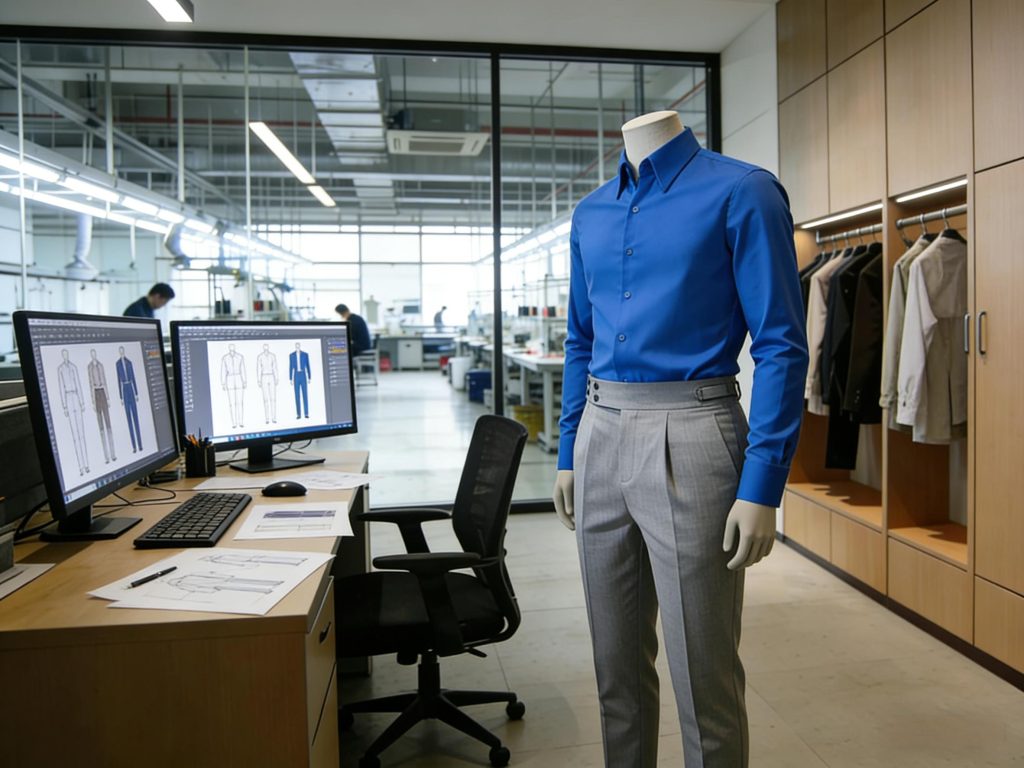
Customizing formal men’s dress shirts starts with a clear and focused vision. First, define your brand style and target audience. Are you creating classic office shirts for corporate professionals, modern slim-fit designs for young professionals, or luxury formal pieces for special occasions? Next, sketch your ideas or collect reference images to visualize your vision. Pay special attention to key details that set your shirts apart. These include collar shape (spread, point, or button-down), cuff style (French, barrel, or convertible), placket type (hidden or visible), and button placement. Even small choices shape the overall look and feel. For example, a spread collar exudes confidence in business settings, while a French cuff adds a sophisticated, premium touch for formal events. By refining these elements early, you create a strong foundation for a cohesive, on-brand collection.
Fabric & Material Selection for Premium Dress Shirts
Before moving to technical plans, choosing the right fabrics is critical for crafting high-quality formal dress shirts. The material directly affects how the shirt feels against the skin, its durability, and its overall appearance. Cotton is the most popular choice for formal shirts, thanks to its breathability, softness, and smooth finish. Egyptian or Pima cotton, in particular, offers a luxurious texture that elevates your brand. For a practical upgrade, consider cotton-poly blends or stretch fabrics (like spandex blends). These materials improve comfort, reduce wrinkling, and ensure the shirt retains its shape throughout the day—key factors for busy professionals. High-quality materials not only enhance the wearer’s experience but also boost your brand’s reputation for durability. Working with a trusted OEM manufacturer helps you source reliable, cost-effective fabrics that match your brand’s level, whether you’re targeting budget-friendly or luxury markets.
Tech Pack Development: Setting Clear Standards
Once your design and fabric are confirmed, create a detailed tech pack to avoid miscommunication and ensure consistency. This document is the blueprint for your custom dress shirts and is essential for smooth production. It includes exact measurements (for different sizes, from XS to XXL), stitching details (stitch density, thread color), color codes (Pantone or CMYK), and accessory specifications (button material, thread type). It also outlines fabric type, weight, and any special finishes (like wrinkle-resistant or stain-resistant treatments). A complete tech pack removes guesswork between you and your manufacturer. It ensures every shirt in your order follows the same standards, from collar stiffness to cuff alignment. Without a clear tech pack, you risk inconsistent sizing, mismatched colors, or incorrect details—mistakes that can damage your brand’s credibility. Take time to review and finalize this step; it will save you time, money, and frustration later.
Sampling: Ensuring Quality Before Mass Production
The sampling phase is one of the most critical steps in shirt customization, as it lets you test your design before investing in mass production. After reviewing your tech pack, your manufacturer will produce a real physical sample that matches your specifications. You can then test the fit (by having someone try it on), feel the fabric’s texture, and check the quality of stitching and finishes. Look closely at collar structure (is it stiff enough for formal wear?), cuff alignment (do the buttons line up perfectly?), and overall comfort (does it feel restrictive or breathable?). If changes are needed, communicate them clearly to your manufacturer. Adjustments might include sizing tweaks (e.g., narrowing the waist or lengthening the sleeves), fabric swaps, or detail modifications (e.g., changing button color). This step prevents expensive errors during full production and ensures the final product meets your expectations. Only approve the sample when it fully matches your vision and brand standards.
Production: Flexible Solutions for Small to Large Orders
Once your sample is approved, you’re ready to move to full production. Most OEM factories specialize in flexible order sizes, making them ideal for brands of all stages. New brands or those testing a new design often start with around 100 pieces per style. This low-risk approach lets you test market demand, gather customer feedback, and avoid overstocking—critical for brands with limited budgets. As your brand grows and demand increases, you can easily scale up to bigger orders (500 pieces or more) without sacrificing quality. An experienced dress shirt manufacturer handles every stage of production internally, from fabric cutting (using precision machines to ensure consistency) to sewing, ironing, and initial quality checks. This full-service structure saves you time and simplifies your workflow, so you can focus on marketing and growing your brand instead of managing multiple suppliers.
Branding Details: Making Your Shirts Stand Out
To truly differentiate your custom dress shirts from competitors, add unique branding details. These small touches reinforce your brand identity and make your shirts memorable to customers. Options include custom embroidered logos on the chest or sleeve, woven labels with your brand name inside the collar, or personalized buttons engraved with your brand’s initials. You can also add subtle branding elements like a custom thread color that matches your brand’s palette or a small logo on the cuff. These details don’t just make your shirts unique—they also build brand recognition and loyalty. For example, a custom woven label inside the collar reminds wearers of your brand every time they put on the shirt. Work with your manufacturer to explore branding options that align with your design and budget; even small, tasteful details can make a big impact.
Quality Control & Final Delivery
Before your custom dress shirts are shipped, they go through strict quality control (QC) to ensure they meet your brand’s high standards. QC experts inspect every shirt individually, checking for loose threads, uneven stitching, sizing errors, color consistency, and any defects in fabric or finishes. Any imperfect items are corrected, reworked, or replaced—no subpar shirts reach your customers. After passing inspection, the shirts are carefully folded, packaged (with your custom branding if desired), and prepared for delivery. Your manufacturer will provide tracking information so you can monitor the shipment’s progress. Clear communication with your manufacturer keeps you updated at every stage, from production to delivery, so you know exactly when your shirts will arrive. This transparency ensures you can plan for inventory, marketing, and launch timelines with confidence.
Post-Delivery Support: Sustaining Your Brand Success
A reliable OEM manufacturer doesn’t just stop at delivery—they offer post-delivery support to help your brand thrive. If you receive any shirts with unexpected issues (a rare occurrence after strict QC), they will quickly resolve the problem, whether by replacing defective items or offering a solution. They can also provide guidance on reordering, adjusting designs based on customer feedback, or scaling production as your brand grows. Many manufacturers also share industry insights, like emerging fabric trends or popular design details, to help you keep your dress shirt collection fresh and relevant. This ongoing support ensures your custom dress shirts continue to meet customer expectations and support your brand’s long-term success.