
Low MOQ, Screen Printing, Embroidery, and Third-Party Inspection for USA and European Brands
1. Why Choose an OEM Factory for Your Summer T-Shirt Line
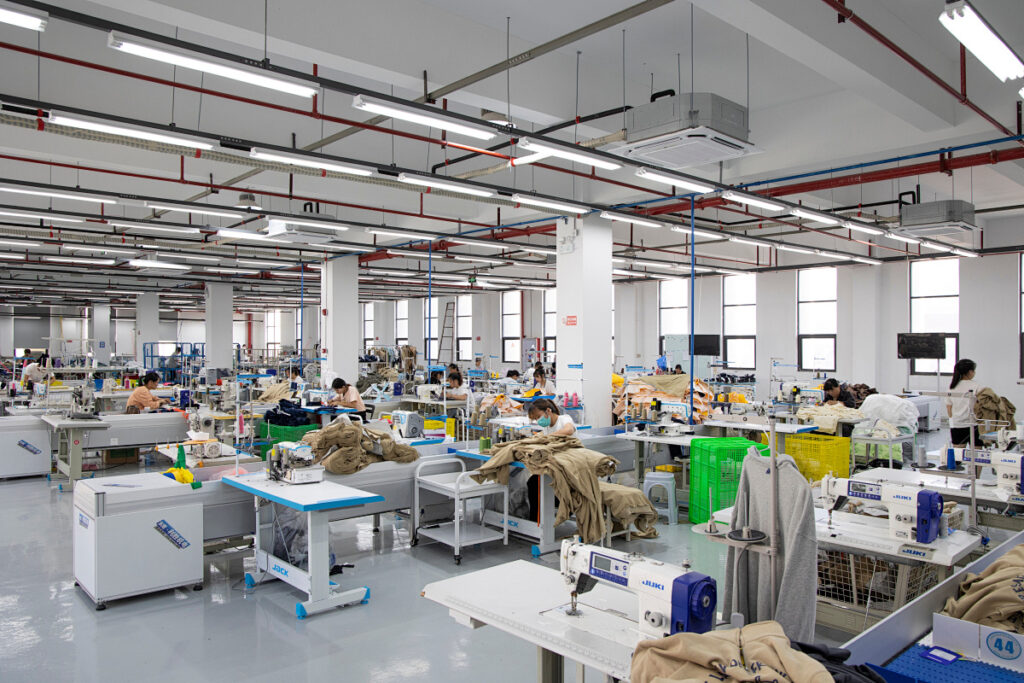
Many brand owners start with blank t-shirts and add their own prints. That works for small testing. But when you need consistent sizing, specific fabric weights, and reliable delivery for summer, you need an OEM partner. As an OEM manufacturer, we build t-shirts exactly to your specifications. You provide the tech pack or a reference sample. We source the fabric, cut the pieces, sew the shirts, and add your prints. We also handle custom labeling and packing. This end-to-end service saves you time and shipping costs. You do not need to buy blanks from one supplier and send them to another printer. We do everything under one roof. Our factory in Dongguan has been operating since 2008. We have worked with over 200 clothing brands, including start-ups and established names from the USA, Australia, Canada, Netherlands, and France. Our team understands the quality expectations in each market. For example, t-shirts for the Australian market need better UV resistance because of stronger sun exposure. We adjust our fabric recommendations accordingly. For European buyers, we focus on softness and drape because those attributes sell well in retail stores. By working directly with a manufacturer, you also get better pricing. Without middlemen, your cost per t-shirt drops by 20–30% compared to buying from a wholesaler. We share our costing breakdown with you. No hidden fees. This transparency helps you plan your retail pricing with confidence.
2. Fabric Selection: Cotton, Blends, and Special Finishes
T-shirt quality starts with the fabric. We stock over 20 types of knit fabrics for summer t-shirts. The most popular are 100% combed cotton ringspun, cotton-poly blends, and slub jersey. Combed cotton ringspun feels soft and resists pilling. It costs 0.50to0.80 per t-shirt more than regular cotton, but the feel is much better. Cotton-poly blends wick moisture away from the body. A 70/30 cotton-poly blend reduces shrinkage to 2% compared to 5–6% for pure cotton. We measure shrinkage using a standard AATCC test method. After three washes, our blended t-shirts hold their shape 40% better than pure cotton. For premium summer streetwear, we offer slub jersey. This fabric has an uneven texture that gives a relaxed, vintage look. Slub jersey breathes well because the surface does not lay completely flat against the skin. It is 15% more breathable than standard jersey based on air permeability tests. We also offer garment-dyed finishes for a soft hand feel and slightly faded color. Garment dyeing happens after the t-shirt is sewn. This process increases colorfastness compared to piece-dyed fabrics. We can match any Pantone color for solid shades. For prints, lighter colored t-shirts work best for screen printing. Darker bases require an underbase layer of white ink, which adds 0.30to0.50 per print placement. We help you choose the right fabric and color combination based on your artwork and target price.
3. Screen Printing and Embroidery: Methods That Last
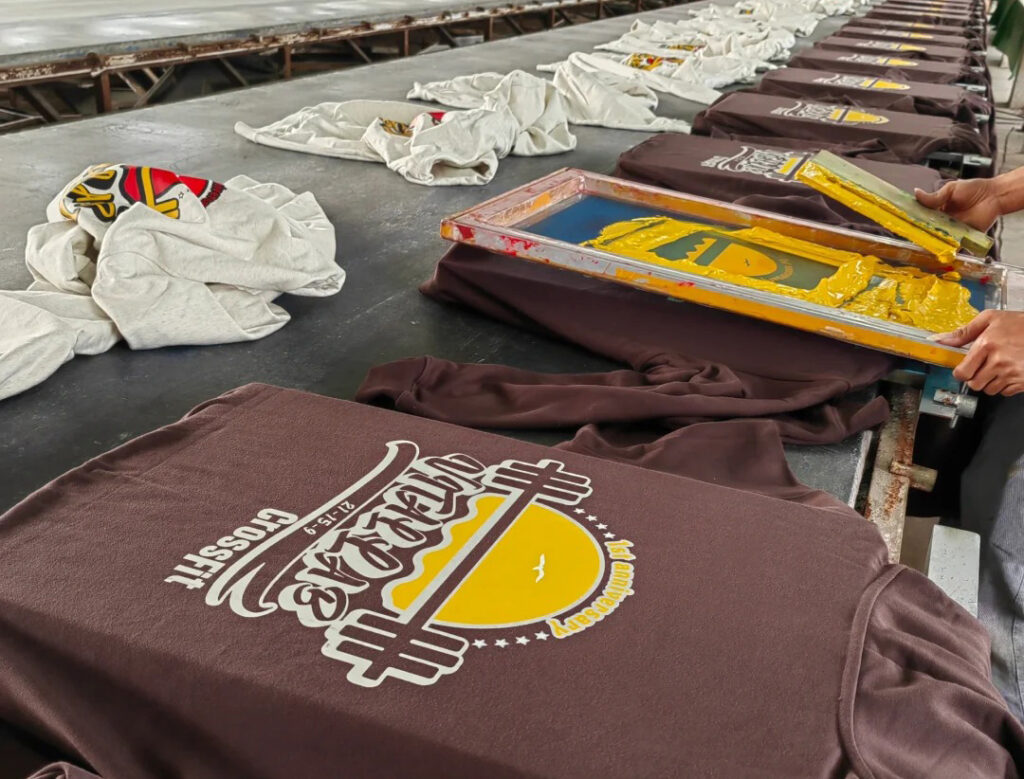
Prints on summer t-shirts get washed often. We use professional screen printing techniques that stand up to repeated laundry cycles. Our screen printing shop operates with six automatic presses. Each press prints up to eight colors in one pass. We use plastisol ink because it sits on top of the fabric rather than soaking in. Plastisol ink retains its brightness after 40 to 50 washes. For a more premium feel, we use water-based ink. Water-based ink soaks into the cotton fibers. The print feels softer and more breathable. However, water-based ink works best on light-colored shirts. For dark shirts, we use a white underbase layer first. We also offer discharge printing, which removes the original dye and replaces it with new color. This method gives a very soft hand feel because no ink sits on top of the fabric. Discharge printing costs 25–30% more than standard screen printing because it requires more skill and different chemicals. For embroidery, we have 15 multi-head embroidery machines. We can stitch your logo directly onto the t-shirt chest, sleeve, or back neck. Embroidery lasts longer than any print. An embroidered logo on a t-shirt can survive over 100 washes without losing shape. For smaller logos under 3 inches, we recommend using a felt backing to keep the stitches clean. For logos larger than 5 inches, we use a cutaway backing to prevent puckering. Our embroidery density ranges from 12,000 to 18,000 stitches per 4-inch logo. We adjust density based on your fabric type. Thicker fabrics can handle more stitches, while thin jerseys need a lighter touch.
4. Sewing Standards: Stitches Per Inch and Seam Construction
A well-sewn t-shirt stays together longer. Our sewing standards exceed typical industry requirements. For collar ribbing, we use a coverstitch machine with 12 to 14 stitches per inch. This tight stitch count prevents the collar from stretching out. We also fuse a lightweight knit tape onto the shoulder and neck seams. This tape reduces seam slippage by 50% compared to t-shirts without it. For hems on sleeves and bottom, we use a double needle coverstitch with 10 to 12 stitches per inch. The double needle creates two parallel lines of stitching that add strength. For side seams, we use a four-thread overlock stitch followed by a safety stitch on heavy stress areas like the underarm. The safety stitch adds 8 to 10 additional threads per inch, which prevents the side seam from opening even under tension. We test each seam using a tensile strength machine. A t-shirt side seam should hold at least 35 pounds. Our average test result is 42 pounds. For seams where two different fabrics meet, like a cotton body with a polyester mesh panel, we use a specialized differential feed machine. This machine moves the two fabrics at slightly different speeds so they lay flat without puckering. We also inspect every t-shirt for loose threads. Our finishing team trims all threads by hand. Each t-shirt is then turned inside out for a second thread check. This step catches any thread tails that might have been missed. Our defect rate for loose threads is 0.3% after this double check.
5. Neck Labels, Hang Tags, and Custom Packaging
Branding matters for streetwear. We offer a range of labeling options. For neck labels, you can choose woven satin labels, heat transfer labels, or printed cotton labels. Woven satin labels look premium but feel smooth against the skin. Heat transfer labels work well for athletic fits because they leave no bulky edge. For hang tags, we design and print custom cards with your logo, price, and care instructions. The minimum order for custom hang tags is 500 units. For bagging, we offer poly bags with printed logos. These bags come with a euro hole for hanging on retail racks. For higher-end brands, we offer cotton muslin bags instead of poly bags. Cotton muslin bags cost 0.30to0.50 extra per t-shirt but improve the unboxing experience. We also offer folding services. You can request folded shirts with tissue paper inside and a branded sticker sealing the fold. This method adds $0.15 per t-shirt for the tissue and sticker. We have seen many USA and Canada streetwear brands switch to this type of packaging because it adds perceived value without huge cost. We keep a sample library of packaging options at our factory. You can video call us and we will show you the different styles.
6. Third-Party Inspection by ASAHI·LINK
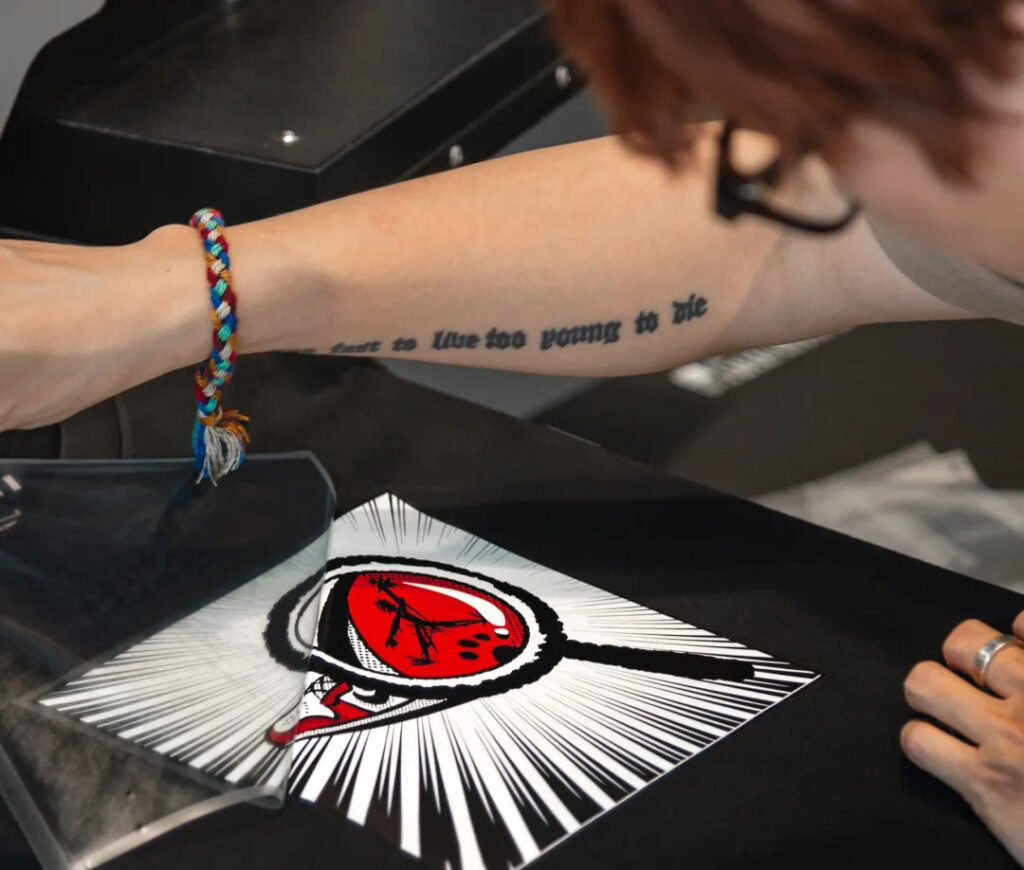
Before any t-shirts leave our factory, we invite ASAHI·LINK for a final check. This third-party inspection company operates independently. Their inspectors do not report to us. They pull random t-shirts from your completed batch. Usually they sample 10 to 20 pieces per 500 t-shirts. The inspection covers print quality, embroidery alignment, seam straightness, fabric defects, and label placement. For prints, they check for cracking, uneven ink, or off-registration. For embroidery, they check for missing stitches, puckering, or burnout. For each defect found, they assign a severity rating: minor, major, or critical. A critical defect means the t-shirt fails inspection. We then fix all major and critical defects before a second inspection. Only after passing the second check do we arrange shipping. ASAHI·LINK provides a digital report with photos of each defect. You receive this report by email. You can also request ASAHI·LINK to send the report directly to you without going through us. We accept this condition for all orders. This independent check reduces returns from your end customers. Based on our shipping records, orders with ASAHI·LINK inspection have a return rate of 1.2%. Orders with only in-house inspection have a return rate of 2.8%. So third-party inspection cuts returns by more than half. For streetwear summer t-shirts, where fit and print matter a lot, this extra step makes good business sense.
7. Shipping to USA, Canada, Australia, Netherlands, and France
We ship custom t-shirts to doorsteps in the USA, Canada, Australia, Netherlands, and France weekly. For small trial orders, DHL delivery takes 4 to 7 business days. For bulk orders, sea freight is cheaper. A 20-foot container holds about 20,000 to 25,000 t-shirts. Sea freight from Shenzhen port to Long Beach in the USA takes 16 to 20 days. From there, domestic delivery adds 2 to 5 days. For Canada, ships go to Vancouver port. Delivery to Toronto or Montreal takes 18 to 22 days plus 3 to 5 days for rail or truck. For Australia, the main port is Melbourne. Sea freight takes 20 to 24 days. For the Netherlands, the port of Rotterdam handles most of our European shipments. Sea freight from China to Rotterdam takes 28 to 32 days. From Rotterdam, we arrange truck delivery to France, Germany, or the UK within 2 to 4 days. For air freight, we work with several logistics partners to get better rates. Air freight from Guangzhou to New York takes 7 to 10 days door to door. We help you choose the best option based on your budget and timeline. We also handle customs clearance. We prepare all documents, including commercial invoice, packing list, and country of origin certificate. For shipments to Australia, we include an AQIS treatment declaration if needed. For Canada, we ensure labeling follows the Canadian Consumer Product Safety Act. Our shipping team has 8 years of experience with international logistics. We track each shipment and share the tracking number with you within 24 hours of departure.
8. Get Started with a Sample Order
The best way to test our quality is to place a sample order. We charge 40to80 per sample t-shirt, depending on the design complexity. This includes fabric, sewing, printing, and shipping. You can order 1 to 5 pieces for evaluation. The sample takes 14 to 18 days to complete. We also offer rush sampling in 7 to 10 days for an extra $30 per sample. When you place a bulk order of 200 pieces or more, we deduct the sample cost completely. That means you pay nothing for the samples that led to the production order. Our MOQ for custom t-shirts is 100 pieces per style and color. But we are flexible with color variations. For example, you can order 50 white t-shirts and 50 black t-shirts of the same design. That counts as 100 pieces total. This flexibility helps new brands test multiple colorways without committing to 100 of each. Contact us today with your artwork or reference photos. We will send you a quote within 24 hours. Let‘s make your summer streetwear t-shirt line a success for the USA, Australian, or European markets.