
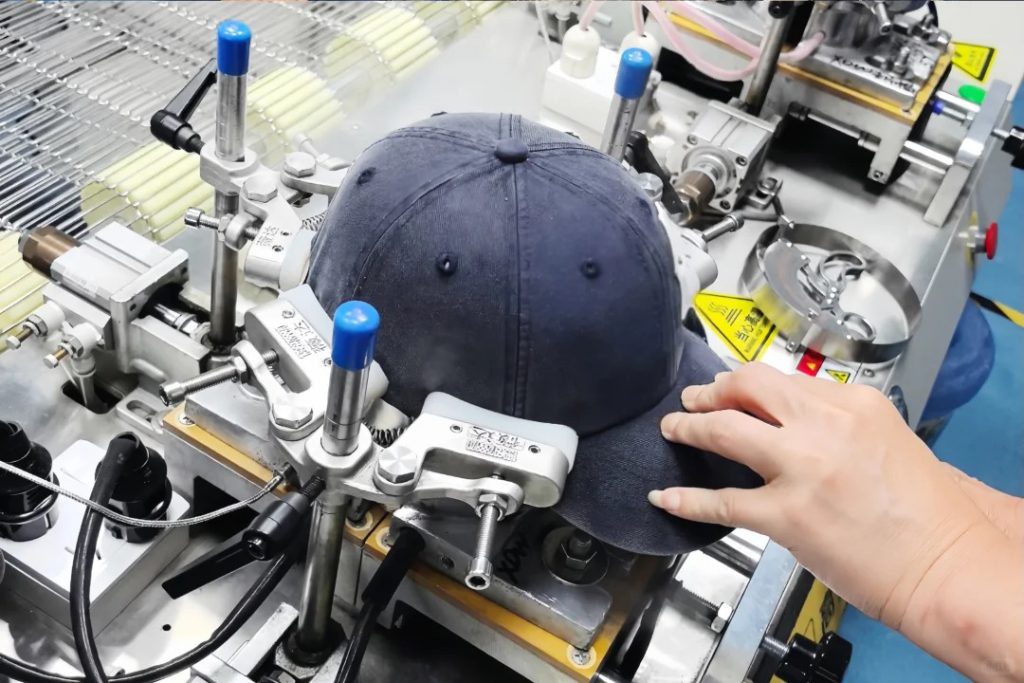
Choosing the right men’s hat style for your clothing brand isn’t just about trends—it’s about alignment. A hat should complement your existing apparel, resonate with your audience, and reinforce your brand’s identity. Many brands overlook hats as an afterthought, but they’re a powerful tool for recognition and revenue. Follow this practical guide to pick styles that work for your brand and produce them efficiently.
Know Your Audience First
Before diving into hat styles, take time to understand your core customer. Who wears your clothes, and how do they live? A streetwear brand targeting Gen Z will thrive with bold bucket hats or logo-heavy baseball caps—pieces that stand out in social media photos. A minimalist menswear label, by contrast, may lean toward neutral-toned beanies or classic flat caps that blend seamlessly with tailored basics. For a workwear brand, durable trucker caps with adjustable straps make sense for functionality. The right hat never feels forced; it feels like a natural extension of your existing line.
Popular Men’s Hat Styles Today & Their Best Uses
Not all hat styles work for every brand—knowing their strengths helps you choose wisely. Baseball caps remain the most versatile option; they suit casual, streetwear, and even preppy brands with small tweaks to logos or materials. Beanies are year-round winners in cooler markets, working for minimalist, street, and outdoor labels alike. Bucket hats have surged in popularity thanks to music festivals and retro revivals, making them perfect for youth-focused, laid-back brands. Newsboy and fedora styles cater to vintage-inspired or heritage collections, adding a touch of sophistication. Each style has its niche—pick one that aligns with how your customers dress daily.
Material Selection: Balance Cost, Comfort, and Brand Fit
Materials make or break a hat’s look and feel—and they directly impact your budget. Cotton twill is a go-to for baseball caps; it’s affordable, durable, and easy to print or embroider on. Acrylic knit works best for beanies, offering softness and color vibrancy without the high cost of wool. Structured wool blends elevate fedoras and newsboy caps, appealing to premium brands willing to invest in quality. For eco-conscious labels, organic cotton or recycled polyester adds a selling point that resonates with modern consumers. Always balance cost with comfort—scratchy fabrics or flimsy materials will turn customers away, no matter how stylish the design.
Design Details That Matter
Small, intentional details separate generic hats from branded standouts. Embroidery placement is key: a small logo on the side of a baseball cap feels subtle, while a bold front embroidery makes a statement. Brim width changes the vibe—wider brims on bucket hats feel relaxed, while narrower brims on baseball caps are more classic. Closure type matters too: snapbacks are trendy for streetwear, while adjustable straps offer universal fit for everyday brands. Lining fabric adds comfort; a soft cotton lining elevates perceived quality without a huge cost increase. At DZX, we help brands refine these details during sampling, providing physical prototypes to test fit, comfort, and visual balance before bulk production.
Avoid Common Pitfalls in Hat Design
Many brands make simple mistakes that ruin their hat designs. One frequent error is overcrowding with logos—too much branding looks cheap and overwhelming. Another misstep is ignoring fit: men’s head sizes vary, so adjustable closures or multiple size options are a must. Skipping sampling is also risky; a design that looks great on paper may feel uncomfortable or look lopsided in real life. Finally, don’t mismatch materials and brand aesthetic—using a cheap polyester for a premium heritage brand will clash and hurt credibility. These pitfalls are easy to avoid with careful planning and testing.
From Sample to Scale: Low-Risk Production
Once you’ve finalized your hat design, production should be smooth and low-risk. We start with a tech pack or even a simple sketch—no need for complex designs upfront. Our pattern makers create a first sample within 7–10 days, letting you tweak details like embroidery size or brim shape. Once the sample is approved, we move to bulk production with MOQs as low as 100 units per style. This low barrier is perfect for new brands testing the market without heavy investment. Seasoned labels also benefit from this flexibility, using small batches to launch limited editions or regional exclusives that drive hype.
Build a Cohesive Collection
Hats shouldn’t be an afterthought—integrate them early in your seasonal planning. Coordinate hat colors with your main apparel drops; a neutral beanie pairs perfectly with your fall sweater line, while a bold bucket hat complements summer tees. Use consistent branding elements—like woven labels, tone-on-tone embroidery, or matching color palettes—to strengthen recognition. A unified collection feels intentional, boosting perceived value and encouraging customers to buy multiple pieces. When hats work with your clothes, they become a must-have accessory, not an afterthought.