
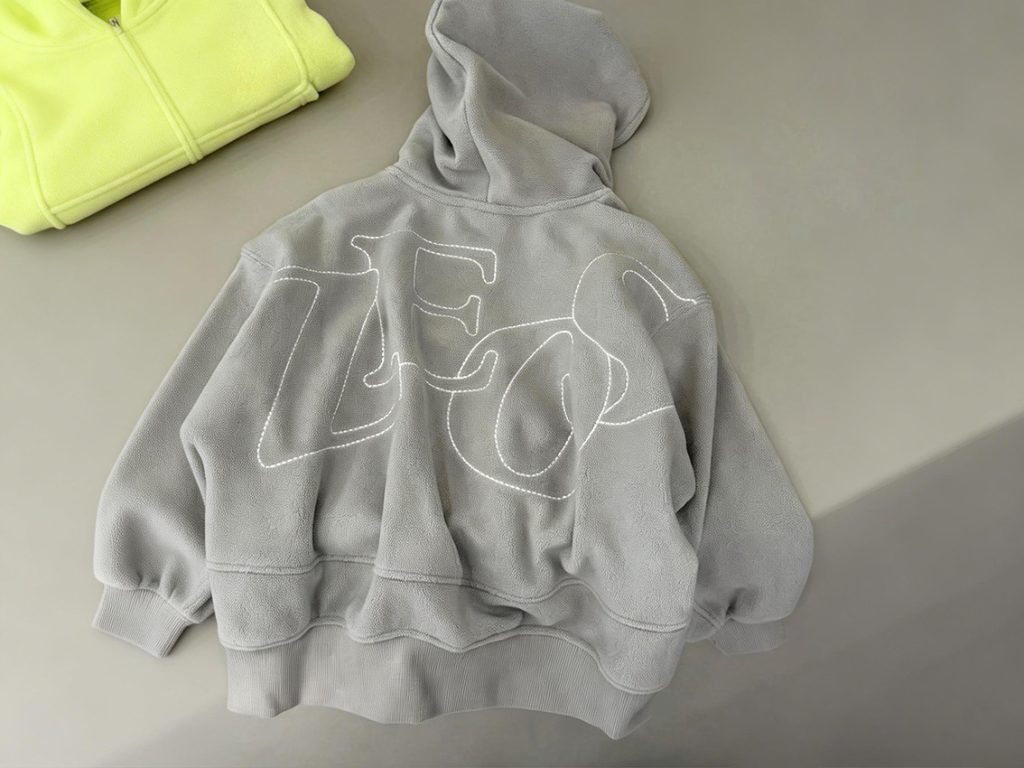
When it comes to streetwear men’s hoodies, fabric is everything. It’s not just about comfort—it shapes the hoodie’s silhouette, texture, and even how your brand is perceived. The wrong fabric can make a great design look cheap or ill-fitting. The right one? It turns a simple hoodie into a staple your customers will reach for daily.
As a buyer, navigating fabric choices can feel overwhelming. Cotton, poly-cotton blends, and French Terry are the most popular options, but each has its own pros and cons. This guide breaks them down simply, so you can pick the perfect fabric for your custom hoodie order—no industry jargon required.
Fabric Defines Your Streetwear Hoodie’s Vibe
Streetwear is all about authenticity and style, and your hoodie’s fabric is the first thing people notice. A soft cotton hoodie gives off a laid-back, vintage feel. A poly-cotton blend leans into durability and functionality. French Terry, meanwhile, offers that sleek, effortless look iconic in street fashion.
Choosing the right fabric isn’t just about personal preference. It’s about matching the material to your brand’s aesthetic, your customers’ needs, and the season you’re designing for. Get this right, and your hoodies will stand out in a crowded streetwear market.
Cotton: The Classic Choice for Softness
100% cotton is a timeless pick for streetwear men’s hoodies—and for good reason. It boasts a soft, natural hand feel that only gets better with wear. It’s breathable, too, making it comfortable for indoor wear or mild spring and fall days.
Cotton takes dye beautifully, so bold colors and subtle pastels both look rich and vibrant. It also has a “broken-in” feel from day one, which many streetwear fans love for its vintage vibe. However, pure cotton has drawbacks: it shrinks more if not pre-shrunk properly, and it creases easily. It may also pill slightly after heavy washing, but this often adds to its authentic, worn-in charm.
Poly-Cotton Blend: Durability Meets Price
For buyers balancing quality and budget, poly-cotton blends are a game-changer. This mix of cotton and polyester (typically 65% cotton/35% polyester or 50/50) combines the best of both worlds. It retains cotton’s softness while adding polyester’s durability.
Unlike pure cotton, poly-cotton resists shrinking and wrinkles, so hoodies stay looking neat wash after wash. It holds screen prints and graphics exceptionally well, making it ideal for branded designs. It’s also more budget-friendly than pure cotton or premium French Terry. This blend works great for active customers or hoodies meant for colder, damp climates—its quick-drying properties keep wearers comfortable.
French Terry: The Streetwear Favorite
French Terry is often mistaken for fleece, but it’s a entirely different knit structure—and it’s a streetwear staple. It’s smooth and sleek on the outside, with soft loops on the inside for warmth without bulk. This makes it lighter than traditional fleece, perfect for layering (a key trend in streetwear).
Most French Terry hoodies are made from cotton or cotton blends, giving them a soft feel with a polished look. They drape beautifully, creating that oversized, effortless silhouette streetwear is known for—without feeling heavy. The flat outer surface also provides a clean canvas for graphics, logos, or embroidery, making it a top choice for brands focusing on bold designs.
Why Weight (GSM) Matters
You’ll often see fabric weights listed as GSM (grams per square meter)—and this number is crucial for your hoodie’s performance. GSM tells you how thick the fabric is, which directly impacts warmth, durability, and silhouette.
For spring, summer, or indoor wear, 280–320gsm is ideal. It’s lightweight and breathable, perfect for layering or wearing alone. For fall and winter, opt for 380gsm or higher. This heavier fabric stands up on its own, offers more warmth, and has a more structured look. Remember: higher GSM doesn’t always mean better quality—choose based on your customers’ climate and how they’ll wear the hoodie.
How to Match Fabric to Your Target Audience
Your fabric choice should align with who your customers are. If your brand caters to vintage streetwear fans who value comfort and authenticity, pure cotton is the way to go. They’ll appreciate its softness and worn-in vibe.
If you’re targeting active streetwear lovers—those who skate, hike, or spend time outdoors—poly-cotton blends are better. Their durability and quick-drying properties fit an on-the-go lifestyle. For brands focusing on sleek, modern streetwear, French Terry is perfect; it’s versatile, stylish, and appeals to fashion-forward customers.
Final Tip: Test Before You Bulk Order
Before placing a large custom hoodie order, always test a sample. A fabric that looks great on paper might feel different in person. Ask your manufacturer for fabric swatches or a sample hoodie—this lets you check softness, weight, and fit firsthand.
Testing also helps you spot potential issues early. For example, you might find that a cotton hoodie shrinks more than expected, or that a poly-cotton blend’s texture doesn’t match your brand’s vibe. Fixing these issues before bulk production saves you time, money, and headaches down the line.
Pick the Right Fabric for Your Brand
The best fabric for your streetwear men’s hoodie isn’t the most expensive one—it’s the one that fits your brand, your customers, and your goals. Cotton offers classic softness, poly-cotton blends deliver durability and value, and French Terry brings that iconic streetwear sleekness.
By understanding each fabric’s strengths and matching it to your target audience, you’ll create hoodies that your customers love and your brand can be proud of. And with a little testing, you’ll avoid mistakes and ensure your custom hoodie order is a success.