
What makes a men’s shirt stand out in a crowded market? The answer lies not in flashy designs, but in its meticulous construction. A great shirt feels comfortable, looks polished, and lasts through repeated wears and washes. A reputable shirt manufacturer understands this—and knows every small detail counts. Let’s break down the anatomy of a superior men’s shirt. We’ll explore the key elements that define quality, so you know exactly what to demand from your manufacturing partner.
More Than Just Fabric
Great fabric is the foundation of a quality men’s shirt, but it’s only the starting point. How the fabric is selected and handled matters just as much as the material itself. A skilled manufacturer offers a range of premium fabric options, from soft combed cotton and crisp poplin to breathable linen and durable blends. They pre-shrink fabrics when necessary to prevent unwanted shrinking after the first wash. Additionally, they cut patterns with the fabric’s grain in mind—this simple step ensures the shirt drapes smoothly on the body and retains its shape over time. They also inspect fabrics for flaws before cutting, avoiding uneven weaves or color inconsistencies that cheapen the final product.
Fit: The Unsung Hero of a Great Shirt
Even the best fabric and craftsmanship fall flat with a poor fit. A quality men’s shirt should flatter the body without restricting movement. Reputable manufacturers offer multiple fit options—slim, regular, and relaxed—to cater to diverse body types. They carefully grade sizes, ensuring consistent proportions across all ranges. For example, a slim-fit shirt should taper gently at the waist without being tight, while a regular fit offers comfort without excess fabric. They also pay attention to key fit details: shoulder seams that align with the natural shoulder, sleeve lengths that hit the wrist bone, and a torso length that stays tucked in without riding up. A great fit turns a basic shirt into a wardrobe staple.
The Collar and Cuffs: The Signature Points
The collar and cuffs are the most visible parts of a men’s shirt—and they instantly define its quality. A well-made collar has smooth, crisp points that hold their shape all day. It should lie flat against the neck without curling or gaping. Different collar styles (like spread, point, or button-down) require precise construction, and a skilled manufacturer executes each with care. The cuffs should be equally polished: interfacing inside gives them structure, while clean stitching ensures durability. Whether it’s a barrel cuff or French cuff, the edges should be even, and buttons (or cufflinks) should fit securely. These small details make a big impression and signal a shirt’s premium status.
Seams, Stitches, and Strength
To judge a shirt’s quality, look beyond the surface—inside the garment tells the real story. The seams should be neat, even, and free of loose threads. Many premium shirts use French seams or overlocked edges to prevent fraying and create a clean interior finish. Stitch density is another key factor: more stitches per inch (usually 12-15) mean greater durability and a smoother appearance. A reliable manufacturer uses strong, color-matched thread and maintains consistent tension while sewing. This prevents seam failure, even with frequent washing and wearing. They also reinforce high-stress areas, like the shoulder seams and button placket, to ensure the shirt holds up over time.
Finishing Touches Matter
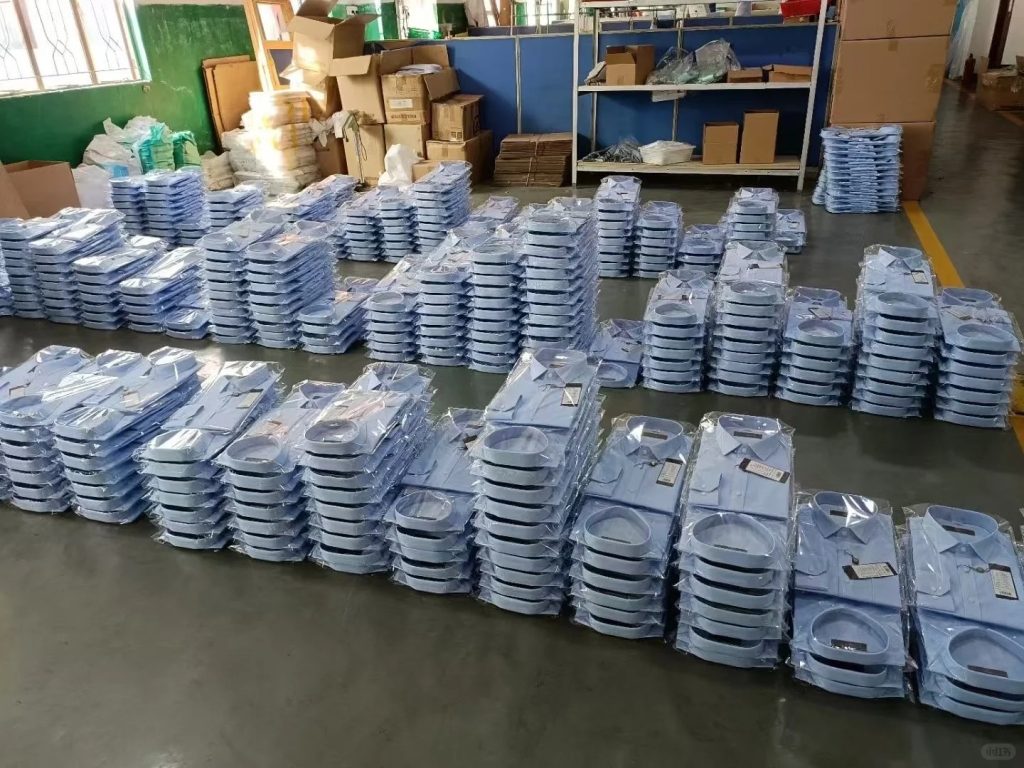
The finishing touches are what elevate a good shirt to a great one. Buttons should be high-quality—usually natural materials like mother-of-pearl or durable plastic—and securely attached with a strong thread shank. This shank prevents the button from pulling loose and adds comfort when worn. Buttonholes must be tight, clean, and evenly sized, with no fraying around the edges. The hem should be straight and even, with a narrow fold that lies flat. A professional factory removes all loose threads, presses each shirt carefully (paying special attention to the collar and cuffs), and folds it neatly before packing. This polished finish shows care, professionalism, and a commitment to quality.
Sustainable Practices in Shirt Manufacturing
Modern brands and consumers increasingly value sustainability—and your manufacturer should too. Many top shirt factories now offer eco-friendly options, like organic cotton fabrics free of harmful dyes and chemicals. They implement water-saving washing and dyeing processes to reduce environmental impact. They also minimize waste by optimizing fabric cutting and using recycled threads where possible. These sustainable practices don’t compromise quality; instead, they add value to your brand and appeal to eco-conscious shoppers. A forward-thinking manufacturer will share their sustainability efforts and help you create a shirt line that aligns with modern values.
Choosing the Right Manufacturer
Your shirt manufacturer must master all these elements to deliver a superior product. They should have a keen eye for detail, a commitment to quality, and the expertise to handle every stage of production. Consistency across large orders is vital—every shirt in your line should match the approved sample in fit, fabric, and finish. Don’t hesitate to ask potential partners about their process: how they source fabrics, how they ensure consistent fit, and what quality checks they have in place. Request samples to see their work firsthand. A manufacturing partner who understands the anatomy of a great men’s shirt will help you build a stronger brand and win over loyal customers.