
1. The Casual Revolution
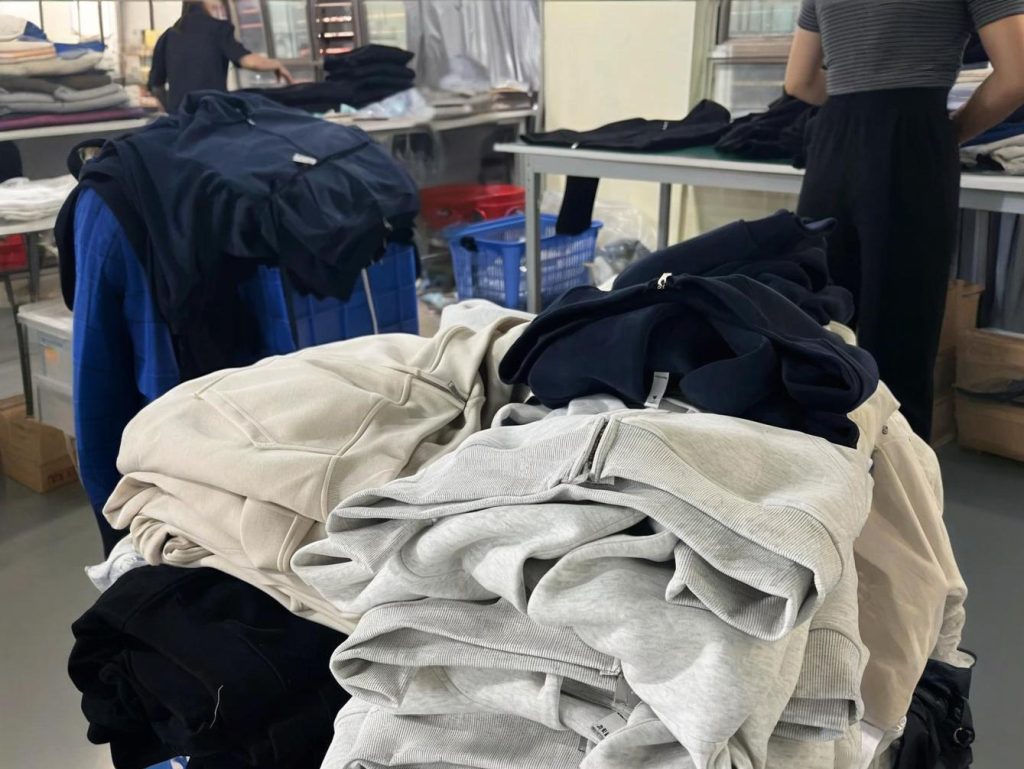
The way men dress every day has changed dramatically in recent years. Gone is the strict suit-and-tie uniform for most daily occasions. Instead, casual wear now dominates wardrobes across the globe. This shift is far more than a passing trend. It’s a fundamental change tied to evolving lifestyle and work culture. Remote work and flexible office policies have accelerated this movement significantly. Men now seek clothes that transition seamlessly from home to a casual meeting. The line between formal and informal wear is beautifully blurred, driven by a universal desire for versatility. A great casual piece must look intentional, not sloppy. Consequently, manufacturers must focus on smart design and superior fit to support a modern, dynamic life.
2. Trend: Simple is Stylish
Currently, minimalist aesthetics lead the way in men’s casual wear design. Clean lines, neutral color palettes, and timeless silhouettes are the core of this trend. Think premium cotton polo shirts, well-cut chinos, and unstructured linen blazers—these pieces form the backbone of a modern casual wardrobe. They offer endless mixing and matching possibilities for any occasion. Importantly, simplicity elevates the perceived quality of each garment. The focus shifts from flashy details to fabric feel and construction precision. Therefore, manufacturing accuracy becomes critical for brands. Every stitch and seam must reflect a genuine commitment to quality and durability.
3. Versatility: The Core of Modern Casual Design
Versatility has become the non-negotiable feature of men’s casual wear today. Modern consumers want a single piece to serve multiple roles in their wardrobe. For example, a lightweight knit sweater should work for a weekend brunch and a casual office day. A pair of stretch twill pants should transition from a hike to a dinner out with ease. This demand pushes manufacturers to design with multi-scenario use in mind. They blend classic casual elements with subtle refined touches to bridge different style needs. Additionally, versatile pieces reduce wardrobe clutter, aligning with modern consumers’ preference for intentional, minimal buying habits. This focus on versatility makes casual wear both practical and sustainable for everyday life.
4. Focus: Fabric and Function
Fabric choice is the unsung hero of exceptional men’s casual wear. Modern consumers expect both uncompromising comfort and functional performance from every piece. Natural materials like organic cotton and linen remain fan favorites for their breathability and soft touch against the skin. Meanwhile, technical fabric blends are rapidly gaining ground in the casual market. These blends offer stretch, moisture-wicking, and wrinkle-resistant properties—ideal for busy, on-the-go lifestyles. For manufacturers, sourcing the right material is the first crucial step in production. The fabric must drape well, hold its shape, and withstand frequent washing and wear. Moreover, small functional details add real value: secure deep pockets, reinforced seams at high-stress areas, and flexible waistband trims all enhance the end-wearer’s experience.
5. Inclusive Sizing: Reimagining Casual Fit Standards
A key evolution in modern men’s casual wear is the push for inclusive sizing and body-positive design. Gone are the days of one-size-fits-most casual wear that only caters to a narrow body type. Today’s consumers demand casual pieces that flatter all builds—from slim to athletic, tall to short. This shift requires manufacturers to revamp their pattern-making and grading processes. They create size charts that cover a wider range of measurements, with adjusted cuts for different body shapes (e.g., roomier thighs for athletic builds, longer inseams for tall men). Inclusive sizing not only expands a brand’s customer base but also builds loyalty by making men of all sizes feel seen and valued. It’s a trend that redefines everyday style as accessible to everyone.
6. The Future of Casual
Looking ahead, men’s casual wear will continue to evolve with consumer values and lifestyle shifts. Sustainability will influence material and manufacturing choices more deeply than ever before. Durable, eco-friendly fabrics like recycled polyester, Tencel, and hemp will be in higher demand from both brands and consumers. Another growing trend is seasonless casual design—garments suitable for multiple climates and times of year, made with lightweight, layered fabric options. This approach reduces overproduction and aligns with sustainable fashion practices. Additionally, personalized casual wear might become more mainstream, with manufacturers offering flexible small-batch production for custom prints or fits. Brands that embrace these trends will stand out in the competitive casual wear market.
7. Key Takeaway
The market for men’s casual wear is vast, and it’s growing steadily year after year. Success in this space lies in understanding the delicate balance between comfort, style, and durability. It’s about creating well-made, intentional pieces that men actually want to wear every single day. For fashion brands, partnering with a specialized men’s apparel manufacturer is essential to bring this vision to life. A skilled manufacturing partner understands the nuances of casual wear design, fabric sourcing, and inclusive fit. They can turn a simple casual design into a bestselling wardrobe staple that resonates with modern consumers. Ultimately, great men’s casual wear is designed for real life—it empowers the wearer with confidence, ease, and a style that feels uniquely their own.