
Screen printing is often pigeonholed as a technique for basic cotton t-shirts. For forward-thinking men‘s apparel brands, this view is a significant limitation. In reality, modern screen printing is a dynamic and versatile tool for brand storytelling and product differentiation. It can elevate your entire collection, adding value, texture, and sophistication. Let’s dive into the creative possibilities that go far beyond the standard tee.
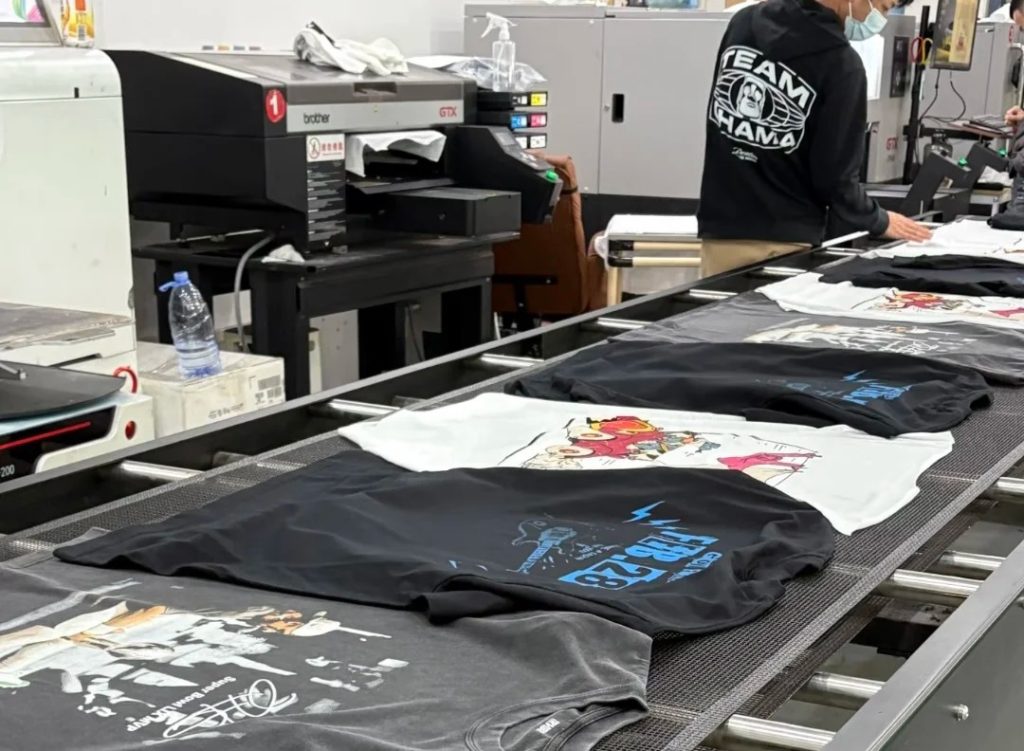
1. Expanding Beyond Cotton: A World of Fabrics
The first step in creative application is substrate selection. Screen printing excels on a vast range of materials. For men‘s outerwear, consider sturdy fabrics like canvas, denim, or nylon. A bold, thick print on a denim jacket pocket or a canvas work shirt sleeve feels authentic and durable. For performance-oriented lines, polyester athletic knits and mesh are excellent candidates. Specialized inks bond effectively with these technical fabrics, ensuring stretch and wash resistance. Even on blended fabrics common in modern polos and hoodies, screen printing delivers consistent, vibrant results. This versatility allows you to maintain a unified decorative theme across shirts, shorts, jackets, and accessories.
2. Strategic Placement for Maximum Impact
Moving the print location is one of the simplest yet most powerful creative moves. Instead of the standard left chest, explore other canvases. A large, dramatic graphic across the full back of a hoodie creates instant streetwear appeal. A small, discreet logo on the cuff of a sleeve or the nape of a collar offers a touch of sophistication for refined styles. For workwear, functional placement is key—printing a logo on a reinforced knee pad area or a company name across the shoulder yoke. These strategic decisions transform the garment itself into a design element, making your collection more visually interesting and intentional.
3. Innovative Inks and Special Effects
Today‘s ink technology opens a playground for creativity. Go beyond standard plastisol. Puff Ink rises when heated, creating a raised, textured print perfect for adding dimension to logos on sweatshirts. Glitter and Metallic Inks catch the light, offering a premium finish for limited editions or nightlife-oriented apparel. High-Density Ink lays down a very thick, rubber-like layer that has a distinctive tactile feel. Glow-in-the-Dark and Color-Changing inks add an element of surprise and interactivity. For a more refined look, Discharge Printing uses agents to remove the garment dye and replace it with your print, resulting in a soft, vintage feel that’s integrated into the fabric itself. These effects allow you to create signature pieces that stand out in the market.
4. Small-Batch & Limited-Edition Storytelling
Screen printing is not just for large runs—it thrives in small-batch and limited-edition collections. This flexibility is a game-changer for men’s brands looking to tell unique stories. For example, a brand focused on outdoor adventure can create a limited line of flannel shirts with screen-printed topographic maps. A streetwear label might collaborate with local artists for small-batch tees featuring exclusive graphics. These limited pieces build buzz and scarcity, driving customer engagement. Unlike mass-produced prints, small-batch screen printing allows for more experimentation, letting brands test bold ideas without excessive risk.
5. Balancing Creativity with Wearability
While creativity is key, successful screen printing must also prioritize wearability—especially for men’s apparel. Men often value comfort and functionality as much as style. To strike this balance, choose softer ink formulations like water-based inks for garments worn close to the skin. Avoid heavy ink layers on high-friction areas like underarms or waistbands, which can cause irritation. For athletic and workwear, ensure prints stretch with the fabric and won’t crack during movement. This balance ensures your creative designs are not just eye-catching, but also practical for everyday wear.
6. Building a Cohesive Brand Universe
Screen printing is your tool for visual consistency. Apply the same logo treatment, typeface, or graphic motif across different products. Imagine a customer who buys your flannel shirt with a chest print, a beanie with a small side logo, and a tote bag with a large graphic. Visually, these items connect. They tell a cohesive brand story. This systematic application builds a strong, recognizable identity. It encourages customers to buy into the entire “world” of your brand, not just a single item. The consistency across touchpoints fosters brand loyalty and elevates your market positioning.
7. From Workwear to Streetwear: Category-Specific Ideas
Workwear & Uniforms: Durability is paramount. Use thick inks for high-abrasion areas. Print employee names, ID numbers, or safety slogans clearly. Reflective ink accents enhance visibility for outdoor crews. Streetwear & Lifestyle: Embrace boldness. Use all-over prints, sleeve graphics, and layered color effects. Experiment with placement—prints on the hood of a sweatshirt or along the side seam of joggers. Performance & Athletic: Focus on breathability and stretch. Use specialty inks designed for lycra and polyester that won‘t crack during movement. Motivational phrases or minimalist logos work well. Accessories: Don’t neglect hats, bags, and socks. A printed logo on a cotton twill cap‘s curved bill or on the heel of a sock extends your brand’s reach seamlessly.
By embracing these creative applications, you shift screen printing from a simple production step to a core component of your design strategy. It allows you to create depth, texture, and narrative within your men‘s apparel line, ultimately building a stronger, more desirable brand.