
Deconstructing a Manufacturer‘s Cost Breakdown
A clear understanding of manufacturing costs is the foundation of profitable men’s coat lines. Manufacturers break down costs into distinct categories, each impacting the final price. These categories are easy to follow and critical for brand budgeting.
Primary costs include raw materials (fabrics, linings, hardware) and labor (cutting, sewing, finishing). Secondary costs cover overheads like factory utilities, quality control, and logistics. Unlike vague cost estimates, this breakdown helps brands see exactly where their money goes—and where they can optimize.
Understanding Minimum Order Quantities (MOQs) and Their Drivers
Minimum Order Quantities (MOQs) are a non-negotiable part of men’s coat manufacturing. They represent the smallest number of coats a manufacturer will produce for a single order. MOQs are not arbitrary; they are driven by practical business needs.
Key drivers include fabric sourcing—many suppliers require bulk orders to offer competitive pricing. Additionally, setting up production lines for small batches wastes time and resources. MOQs also ensure manufacturers cover their overhead costs while maintaining quality standards.
Strategies for Working with MOQs: Capsules and Core Styles
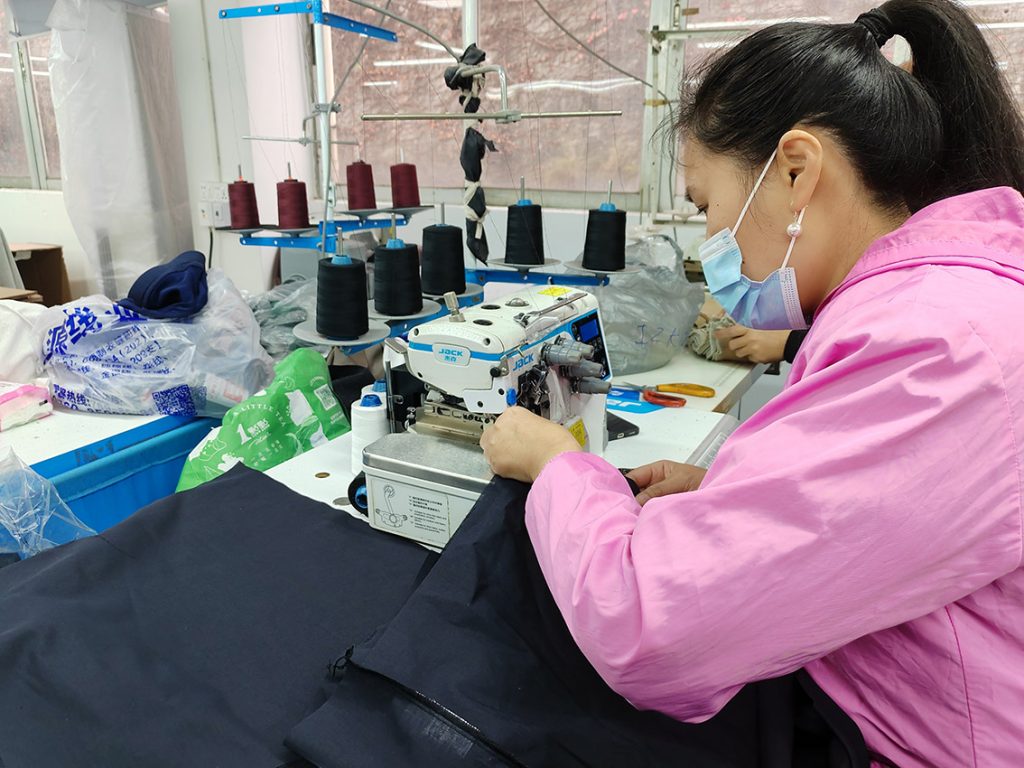
Many brands struggle with MOQs, especially smaller ones or those testing new markets. The good news is that strategic planning can make MOQs manageable. Two effective strategies are focusing on capsule collections and core styles.
Core styles are timeless, high-demand coats that sell consistently. Ordering these in larger quantities meets MOQs while reducing risk. Capsule collections, meanwhile, group complementary styles to hit MOQs without overcommitting to unproven designs. This balance keeps inventory lean and costs low.
Forecasting and Budgeting for Material and Production Costs
Forecasting and budgeting are essential for avoiding cost surprises. Material prices (like wool or cotton) fluctuate seasonally, so brands must plan ahead. Accurate forecasting also prevents overordering or stockouts that hurt margins.
Budgeting should include a buffer for unexpected costs, such as fabric price hikes or minor production adjustments. For example, setting aside 5-10% of the material budget covers these surprises. This proactive approach keeps profitability on track.
Negotiating Value: It‘s Not Just About the Unit Price
Many brands fixate on unit price when negotiating with manufacturers—but value matters more. A lower unit price may come with hidden costs, like poor quality or inflexible MOQs. Smart negotiation focuses on overall value, not just a single number.
Key negotiation points include flexible payment terms, quality guarantees, and MOQ adjustments for repeat orders. Additionally, partnering with manufacturers long-term often leads to better value over time. This approach protects margins while building trust.
Building a Cost-Effective and Profitable Product Strategy
Ultimately, profitability comes from a cohesive product strategy that ties together pricing, MOQs, and cost management. This strategy should align with your brand’s goals, whether that’s affordability or premium positioning.
For premium brands, focus on high-quality materials and craftsmanship to justify higher prices. For value-focused brands, optimize MOQs and source cost-effective fabrics without cutting quality. Balancing these elements creates a sustainable, profitable men’s coat line.