
The supply chain for men’s outerwear is a complex, interconnected process with little room for error. Every step—from fabric sourcing to final shipping—impacts lead times and delivery reliability. For brands, a smooth critical path means meeting seasonal deadlines and keeping customers satisfied.
Unlike women’s outerwear, men’s coats often prioritize consistency and durability, which adds unique demands to the supply chain. Delays in any phase—whether material delivery or production—can disrupt the entire timeline. This is why mapping and optimizing the critical path is essential for long-term success.
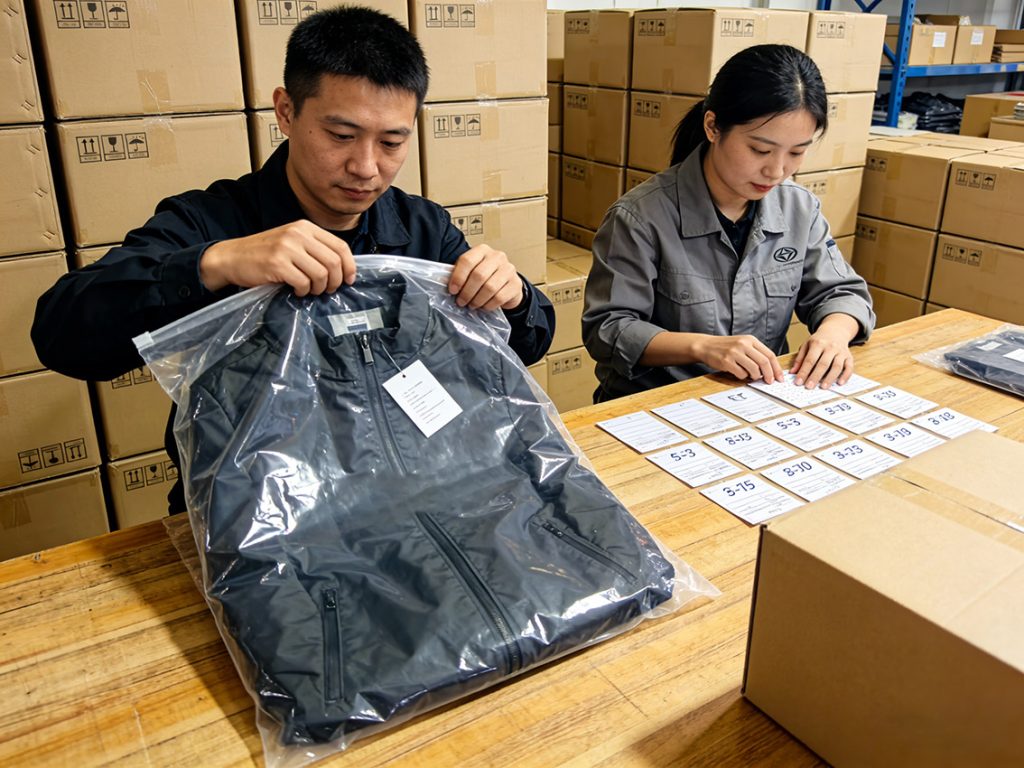
Implementing Lean Principles for Shorter Lead Times
Lean manufacturing is a game-changer for streamlining men’s outerwear supply chains. Its core goal is to eliminate waste—from excess inventory to unnecessary production steps—without sacrificing quality. This approach directly shortens lead times and cuts costs for brands.
Key lean practices include just-in-time (JIT) inventory management, which reduces excess fabric and component storage. Additionally, cross-training workers allows for flexibility in production, preventing bottlenecks when demand spikes. These small adjustments add up to faster, more efficient production cycles.
Advanced Sourcing and Pre-Production of Key Components
Efficient supply chains rely on proactive sourcing and pre-production of critical components. For men’s outerwear, this includes fabrics, linings, zippers, and buttons—all of which must meet quality standards and arrive on time. Advanced sourcing means partnering with reliable suppliers who share your efficiency goals.
Pre-production steps, such as fabric testing and sample approval, should happen parallel to sourcing, not after. This overlap cuts down on total lead time. Additionally, bulk ordering key components (when possible) secures better pricing and ensures consistent availability throughout production.
Production Planning and Line Efficiency for Bulk Orders
Bulk orders are common in men’s outerwear, making production planning and line efficiency critical. Manufacturers use detailed production schedules to allocate resources, assign tasks, and keep workflows on track. This prevents overcrowding on the production line and ensures steady progress.
Line efficiency is further improved by organizing workstations to minimize movement. For example, grouping cutting, sewing, and finishing stations close together reduces time wasted on transporting materials. This structure keeps bulk orders on schedule and reduces the risk of delays.
Quality Control Integrated Without Bottlenecks
Quality control is non-negotiable for men’s outerwear, but it doesn’t have to cause bottlenecks. The key is to integrate QC checks at every production stage, not just at the end. This catches issues early, before they escalate and slow down the entire process.
For example, checking fabric quality upon arrival and inspecting seams during sewing prevents faulty products from moving forward. Trained QC teams work alongside production staff, ensuring checks are quick and efficient. This integrated approach maintains quality while keeping the supply chain on track.
Reliable Logistics and Shipping Partnerships
Even the most efficient production process fails without reliable logistics and shipping. For men’s outerwear brands, partnering with trusted logistics providers ensures on-time delivery to retailers or direct-to-consumer customers. This includes planning for seasonal demand spikes and potential shipping delays.
Logistics optimization may involve choosing the most efficient shipping routes or using consolidated shipping for bulk orders. Additionally, real-time tracking allows brands to monitor shipments and communicate updates to customers. This reliability builds trust and strengthens brand reputation.