
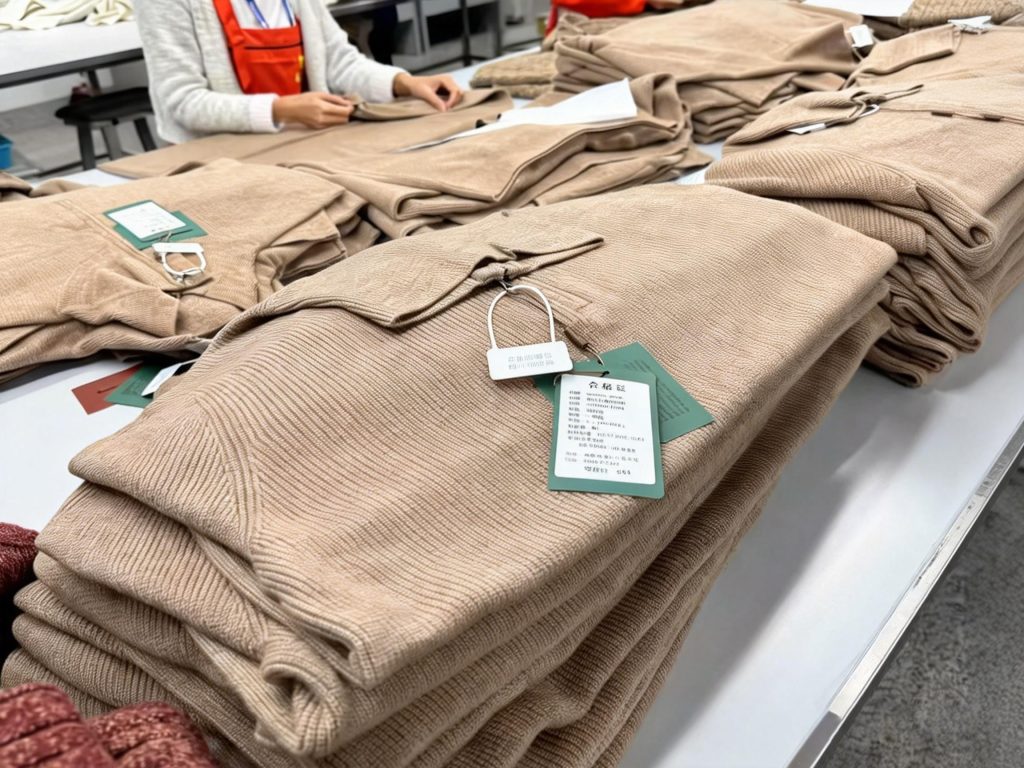
Durability as a Non-Negotiable for Men
When it comes to men’s sweaters, durability isn’t just a nice-to-have. It’s a core expectation. Men tend to wear their favorite sweaters regularly, often pairing them with rugged layers or carrying everyday items in pockets. This frequent use demands garments built to resist stretching, fraying, and wear over time. A reliable men’s sweater manufacturer understands this non-negotiable need. They engineer durability into every stitch, from yarn selection to final finishing. This blog delves into the key construction elements that define a long-lasting men’s sweater. It highlights the reinforced techniques that turn a basic knit into a wardrobe staple built to stand the test of time.
Yarn Strength and Ply: The First Line of Defense
Durability starts with the foundation: the yarn. High-quality men’s sweaters rely on strong, robust yarns with the right ply count. Ply refers to the number of individual strands twisted together to form a single yarn. 2-ply or 3-ply yarns are standard for men’s knits. They offer far more strength than single-ply alternatives. Manufacturers often choose yarns like merino wool blends or heavyweight cotton. These materials naturally resist abrasion and maintain their shape better. Additionally, they test yarn tensile strength to ensure it can withstand repeated stretching. This first line of defense ensures the sweater holds up to daily wear without losing its structure.
Seam Integrity: Examining Flatlock, Overlock, and Hand-Linked Techniques
Seam integrity is make-or-break for sweater durability. Three techniques stand out in men’s sweater manufacturing: flatlock, overlock, and hand-linked seams. Overlock seams are common for their ability to trim and enclose raw edges, preventing fraying. Flatlock seams offer a smooth, low-profile finish that’s ideal for areas prone to friction, like underarms. Hand-linked seams, though more labor-intensive, provide superior durability and flexibility. They create a seamless look that resists stretching better than machine-sewn alternatives. A quality manufacturer selects the right seam technique for each area. They also reinforce seams with extra stitching at stress points, ensuring no weak links in the garment’s structure.
Reinforcing High-Stress Areas (Armholes, shoulders, necklines)
Certain areas of a men’s sweater take more abuse than others. Armholes, shoulders, and necklines are high-stress zones that need targeted reinforcement. Manufacturers address this by adding extra layers of stitching to armholes. This prevents tearing from repeated arm movements. For shoulders, they often use shoulder tapes or reinforced panels. These distribute weight evenly and stop the sweater from stretching out at the seams. Necklines, a common failure point, get ribbed reinforcements or facing fabric. This keeps the neckline from sagging or losing its shape over time. These targeted upgrades turn vulnerable areas into strong points, extending the sweater’s lifespan.
Hem, Cuff, and Collar Treatments for Lasting Shape
A sweater’s shape defines its wearability, and hems, cuffs, and collars are key to maintaining it. Durable men’s sweaters use tight ribbing for cuffs and hems. This ribbing has excellent stretch recovery, bouncing back to its original shape after wear. Manufacturers also use a double-layer hem construction for added weight and stability. For collars, especially turtlenecks or V-necks, they add interlining or extra stitching. This prevents rolling or collapsing. Additionally, they avoid loose stitching that can stretch out. Every treatment focuses on keeping the sweater looking crisp and structured, even after years of washes and wears.
Pilling Resistance and Fabric Care Considerations
Pilling is a common frustration with knitwear, but durable men’s sweaters are engineered to resist it. Manufacturers use anti-pilling yarns or apply a special finishing treatment. This removes loose fibers that cause pilling. They also control knit gauge tightly. A consistent gauge reduces friction between fibers, minimizing pilling. Beyond construction, they provide clear care instructions. These often include gentle wash cycles, low-heat drying, and avoiding harsh detergents. Proper care extends durability, and a responsible manufacturer ensures customers have the guidance to keep their sweaters looking new. This combination of anti-pilling engineering and care guidance adds value to the garment.
Building a Garment Meant to be Worn for Years
Durable men’s sweater manufacturing is a mix of science and craftsmanship. Every element—from strong yarns to reinforced seams and anti-pilling treatments—works together to create a garment built for longevity. A skilled manufacturer doesn’t cut corners on these details. They understand that durability drives customer loyalty for men’s brands. A sweater that lasts for years becomes a trusted staple, not a disposable item. For brands, partnering with a manufacturer that prioritizes these construction elements is key. It lets them offer products that meet men’s core expectations of durability and value. In the end, strength in stitches isn’t just about making a sweater last. It’s about building trust between the brand and its customers.