
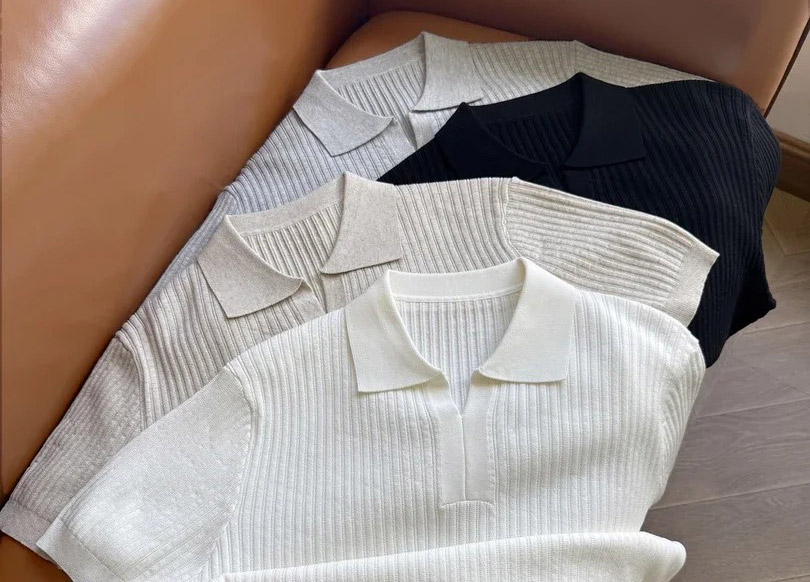
For men’s apparel, fit stands as the unshakable cornerstone of style and comfort. A sweater with impeccable design and premium fabric will fail to impress if it’s too tight across the shoulders, too baggy at the waist, or too short in the sleeves. Modern men recognize this, increasingly seeking sweaters that feel tailored to their unique frames rather than settling for one-size-fits-all options. This shift makes collaboration with a manufacturer skilled in men’s knit fit more critical than ever. Such a partner doesn’t just follow size charts—they craft patterns that adapt to diverse male bodies and desired styles. Below, we explore how to achieve the perfect fit by working closely with your sweater manufacturer.
Understanding Standard and Athletic Male Body Shapes
Achieving perfect fit starts with understanding the two most common male body shapes: standard and athletic. Standard body types feature balanced proportions, with shoulders slightly wider than hips and a gradual waist taper. For these frames, manufacturers focus on maintaining consistent ease (the space between fabric and body) across key areas. Athletic body types, by contrast, have broader shoulders, a narrower waist, and more defined chest and arms. This requires targeted pattern adjustments—like expanding shoulder width, adding room in the chest, and tapering the waist to avoid a boxy look. Expert manufacturers use body measurement data from diverse male populations to ensure their patterns cater to both shapes, laying the groundwork for universal comfort.
Defining Silhouettes: Slim, Regular, Relaxed, and Oversized
Once body shape is understood, defining the desired silhouette is next—and clear communication with your manufacturer is key. Slim silhouettes hug the body gently, with minimal ease around the chest, waist, and sleeves; they’re ideal for men who prefer a modern, streamlined look. Regular silhouettes offer balanced ease, striking a middle ground between slim and relaxed for versatile, everyday wear. Relaxed silhouettes provide extra room in the body and sleeves, prioritizing comfort without appearing shapeless. Oversized silhouettes, a popular modern trend, feature generous ease across all areas but still require intentional pattern drafting to avoid looking sloppy. A skilled manufacturer will translate these silhouette preferences into precise pattern adjustments, ensuring the final product matches your vision.
The Technicalities of Knitwear Fit (Ease, stretch recovery)
Knitwear fit relies on two technical pillars: ease and stretch recovery—details that separate expert manufacturers from average ones. Ease refers to the extra fabric added to a pattern to ensure comfort and mobility. For men’s sweaters, the right ease varies by silhouette: slim fits may have 2-3 inches of ease at the chest, while relaxed fits need 4-6 inches. Stretch recovery, the fabric’s ability to return to its original shape after stretching, is equally critical. Poor recovery leads to sagging sleeves or stretched-out hems over time. Manufacturers address this by selecting high-quality, stretch-resistant yarns and adding ribbed details at cuffs, hems, and necklines. They also test knit fabrics for stretch percentage, adjusting patterns to compensate and ensure long-lasting fit.
The Process of Creating and Approving a Master Pattern
Creating a master pattern—the base template for all sizes—is a collaborative, iterative process between brand and manufacturer. First, you’ll share your silhouette goals, target body measurements, and fabric choices. The manufacturer then drafts a preliminary master pattern, focusing on key fit points: shoulder slope, armscye (armhole) depth, sleeve length, and waist placement. Next, a sample sweater is produced from this pattern. You’ll review the sample, testing fit on a model that matches your target body type, and provide feedback (e.g., “too tight in the chest” or “sleeves too long”). The manufacturer revises the pattern, produces a second sample, and the process repeats until the fit is perfect. Approving the master pattern ensures consistency across all sizes, laying the foundation for a cohesive collection.
Offering Customization and Made-to-Measure Options
For brands looking to stand out, many manufacturers now offer customization and made-to-measure options beyond standard sizes. Customization can include adjustable details like sleeve length or waist taper, allowing customers to tweak standard silhouettes to their preferences. Made-to-measure takes this further, with patterns drafted from a customer’s individual body measurements. Manufacturers facilitate this by providing detailed measurement guides or partnering with brands to collect customer data. This level of personalization not only enhances customer satisfaction but also positions your brand as premium and customer-centric. Importantly, skilled manufacturers streamline the made-to-measure process, keeping lead times manageable without sacrificing quality.
Confidence Built on a Foundation of Perfect Fit
The perfect fit isn’t just about measurements—it’s about building confidence. A sweater that fits well makes a man feel put-together, comfortable, and proud to wear the piece. For brands, partnering with a manufacturer that prioritizes men’s knit fit is an investment in customer loyalty. Such a partner translates your style vision into garments that resonate with your target audience, turning casual shoppers into repeat customers. By understanding body shapes, defining silhouettes, mastering technical fit details, and embracing customization, you can offer sweaters that stand out in a crowded market. In the end, the perfect fit is the ultimate differentiator—and it’s achieved through intentional collaboration between brand and manufacturer.