
The tailored coat—from the iconic overcoat to the classic pea coat—has long stood as a cornerstone of men’s refined style. For decades, its appeal relied on handcrafted precision and heritage techniques. Today, however, modern consumers demand both this timeless elegance and the efficiency of large-scale production. The solution lies in blending traditional tailoring artistry with contemporary manufacturing innovations. This blog explores how today’s manufacturers balance age-old craftsmanship with modern processes to create high-quality tailored coats at scale. It breaks down the key steps that preserve the soul of traditional tailoring while meeting the demands of modern brands and consumers.
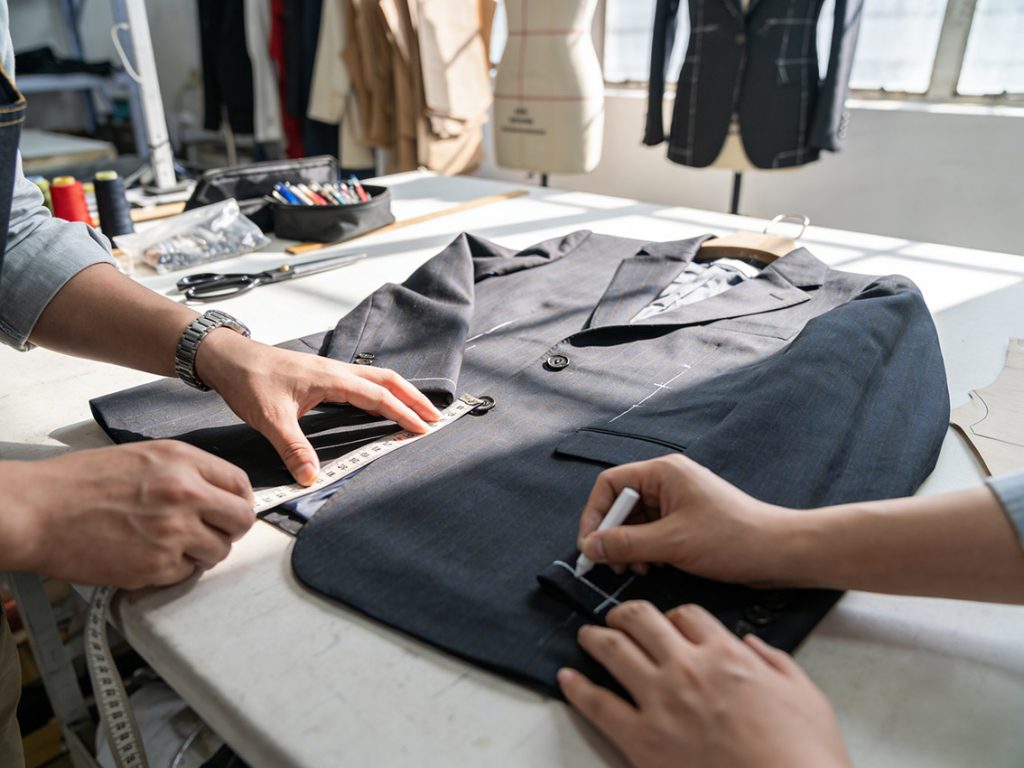
The Enduring Appeal of the Tailored Silhouette
First, it’s vital to understand why the tailored silhouette remains so enduring. Men are drawn to its structured yet comfortable fit, which flatters the body without restricting movement. Unlike fast-fashion pieces, a well-tailored coat exudes sophistication and versatility—transitioning seamlessly from formal events to smart-casual outings. Importantly, its timeless design ensures it never feels dated, making it a long-term investment. Modern manufacturers recognize this appeal and prioritize preserving the core elements of the tailored silhouette. They also adapt subtle details, such as slightly slimmer sleeves or shorter lengths, to align with contemporary style preferences. This balance of tradition and modernity keeps the tailored coat relevant in today’s fashion landscape.
Pattern Precision and Canvas Construction Techniques
The foundation of any great tailored coat lies in pattern precision and canvas construction—two areas where tradition and modernity intersect beautifully. Modern manufacturers use computer-aided design (CAD) tools to create ultra-precise patterns, ensuring consistency across sizes that hand-drafting alone can rarely match. Yet, they still honor the traditional canvas construction method, which uses a layer of canvas between the outer fabric and lining to create structure and shape. This canvas molds to the wearer’s body over time, enhancing the coat’s fit. Additionally, manufacturers combine CAD technology with skilled pattern makers’ expertise to refine patterns, ensuring they retain the natural drape and structure that define a true tailored coat. This blend of digital precision and traditional construction ensures both quality and consistency.
Mastering the Handling of Woolens and Worsteds
Tailored coats rely heavily on premium woolens and worsteds, and mastering their handling is a critical skill that bridges tradition and modernity. Traditional tailors valued the natural warmth, drape, and durability of these fabrics, and modern manufacturers continue to prioritize high-quality wool selections. To handle these materials efficiently, they use advanced cutting machines that ensure clean, precise cuts without damaging the fabric’s fibers. Additionally, manufacturers employ skilled artisans to oversee fabric preparation—such as pre-shrinking wool to prevent distortion after wear. They also use modern testing tools to verify fabric quality, checking for consistency in weight and weave. This combination of modern equipment and traditional fabric expertise ensures the wool’s natural properties shine through in the final product.
Achieving Crisp Lapels, Collars, and Shoulders
The hallmark of a tailored coat lies in its crisp lapels, collars, and shoulders—details that require both traditional craftsmanship and modern techniques. For lapels and collars, manufacturers still use hand-stitching in key areas to create a soft, natural roll that machine stitching can’t replicate. Yet, they complement this with modern heat-pressing tools to achieve a sharp, consistent edge. For shoulders, they blend traditional pad construction with precision cutting to ensure a structured yet comfortable fit. Importantly, modern quality control processes check these details at every stage, ensuring each coat’s lapels lie flat, collars stand neatly, and shoulders align perfectly. This mix of handcraft and modern quality assurance guarantees the polished look that defines a tailored coat.
Refined Finishing: Pressing, Buttons, and Lining
Refined finishing is the final touch that elevates a tailored coat, and here too, tradition meets modernity. Modern manufacturers use advanced steam-pressing equipment to achieve a crisp, wrinkle-free finish while preserving the fabric’s integrity—avoiding the shine or damage that can come from outdated pressing methods. They also honor traditional finishing details, such as hand-sewn buttonholes, which are more durable and elegant than machine-sewn alternatives. For linings, they select premium fabrics like silk or high-quality viscose, ensuring a smooth feel against the skin. Additionally, they use modern techniques to attach linings seamlessly, preventing bunching or shifting. Every finishing step—from pressing to button attachment—combines efficiency with the attention to detail that defines traditional tailoring.
The Modern Factory‘s Approach to Timeless Quality
Ultimately, the modern factory’s approach to tailored coat production revolves around respecting tradition while embracing innovation. Manufacturers invest in both skilled artisans and advanced technology, recognizing that each plays a unique role. They implement standardized processes to ensure consistency at scale, yet they also leave room for handcrafted details that add character. Additionally, they prioritize transparency, letting brands and consumers see how traditional techniques are integrated with modern methods. By adopting this balanced approach, modern factories deliver tailored coats that retain the timeless quality of traditional craftsmanship while meeting the speed and scalability demands of today’s market. For brands, partnering with such a manufacturer ensures their tailored coats stand out for both their elegance and reliability.