
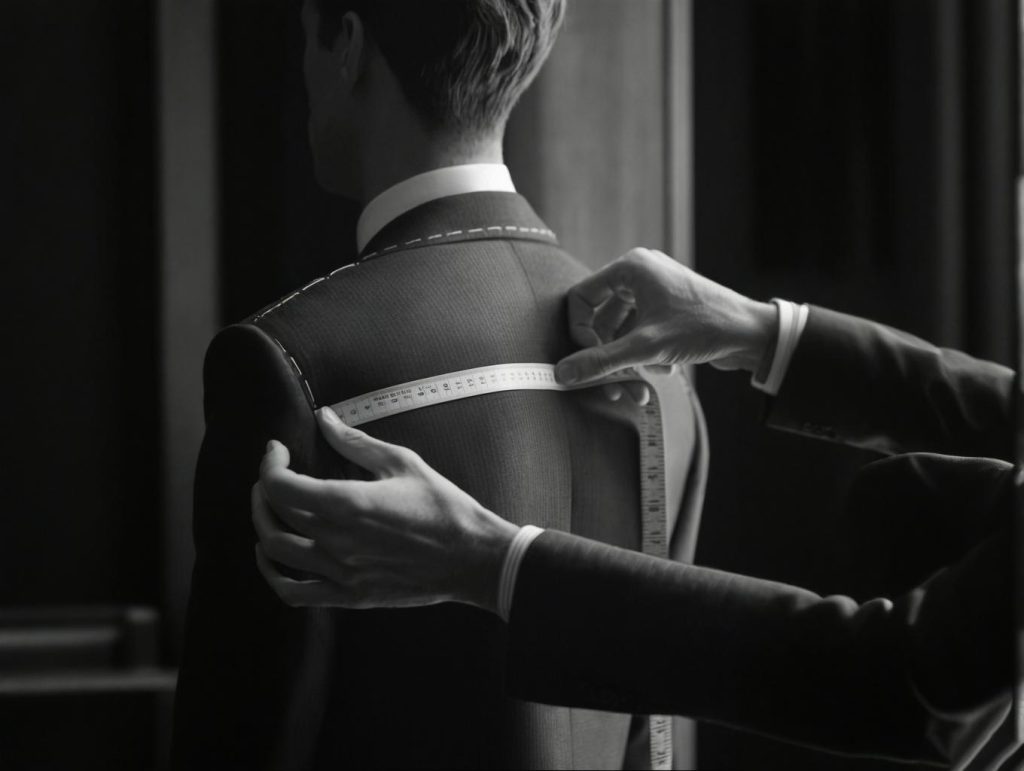
For men’s outerwear, durability isn’t just a feature—it’s a fundamental expectation. Unlike fast-fashion pieces designed for short-term trends, quality men’s coats represent investments in long-term value. They need to withstand daily wear, harsh weather, and years of use while maintaining their shape and functionality. To achieve this level of durability, manufacturers must apply intentional engineering throughout the manufacturing process. From pattern design to fabric selection and testing, every step focuses on longevity. This blog explores the core principles that define durable men’s coat manufacturing, and reveals how manufacturers blend craftsmanship with engineering to create outerwear that stands the test of time.
The Male Consumer‘s Expectation: Long-Term Value
Male consumers approach coat purchases with a clear focus on long-term value. They prioritize durability over fleeting trends, and seek pieces that will last for seasons or even years. This expectation stems from a practical mindset—men often view outerwear as a functional essential rather than a fashion statement. Specifically, they want a coat that can handle commutes, outdoor activities, and regular wear without showing signs of wear and tear. A coat that frays at the seams, fades quickly, or loses its shape fails to meet these expectations. For brands, delivering on this demand means partnering with manufacturers that understand the male consumer’s focus on longevity. It also means building outerwear that earns trust through consistent performance over time.
Foundation: Robust Pattern Engineering and Seam Construction
Durable men’s coats start with a strong foundation: robust pattern engineering and seam construction. Pattern engineering for durability goes beyond fit—it focuses on structural integrity. Manufacturers use precise pattern drafting to ensure even distribution of stress points, which reduces the risk of tearing. Seam construction is equally critical. Instead of single stitching, they use double or triple stitching for added strength. Manufacturers also finish seams with overlocking or binding to prevent fraying. For heavy-duty coats, they may use flat-felled seams, which are not only stronger but also more resistant to water and wear. This foundational engineering ensures the coat can handle repeated movement and stress without compromising its structure.
Material Selection for Abrasion Resistance and Strength
Fabric selection is a make-or-break factor for durability. High-quality men’s coat manufacturers prioritize fabrics with excellent abrasion resistance and tensile strength. For winter coats, dense wool blends, heavyweight cotton canvas, or nylon-cotton blends are popular choices. Specifically, these fabrics resist pilling, tearing, and fading. For lighter outerwear, manufacturers may use treated cotton or polyester blends that offer both durability and breathability. They subject all fabrics to rigorous testing to ensure they meet strength standards. Additionally, manufacturers consider weather resistance—they treat fabrics with water-repellent or windproof coatings to protect against the elements. The right fabric choice balances durability with comfort, ensuring the coat is both long-lasting and wearable.
Reinforcement at Stress Points: Corners, Pockets, and Closures
Stress points are the most vulnerable areas of a coat, so durable manufacturing requires targeted reinforcement. These key areas include pocket corners, collar edges, sleeve cuffs, and closure points (like buttonholes and zipper tabs). For example, manufacturers add reinforcement patches or extra layers of fabric at pocket corners, where frequent use can cause tearing. They reinforce buttonholes with dense stitching or interfacing to prevent stretching or fraying. They attach zipper closures with heavy-duty stitching and may include fabric guards to reduce friction. For collars and cuffs—areas often folded or adjusted—manufacturers line them with durable interfacing to maintain their shape. This targeted reinforcement ensures the coat holds up in the areas that take the most abuse.
Implementing Factory Durability and Performance Testing
To guarantee durability, quality manufacturers implement rigorous factory testing protocols. These tests simulate real-world wear and tear to identify potential weaknesses. Common tests include abrasion testing, where manufacturers rub fabric against a rough surface to measure resistance; seam strength testing, where they pull seams to check for failure; and colorfastness testing, to ensure fabrics don’t fade when exposed to light or washing. For weather-resistant coats, they conduct water penetration and wind resistance tests. Manufacturers also test samples for fit and shape retention after multiple washes. Only coats that pass all these tests move on to bulk production. This commitment to testing ensures every coat meets the brand’s durability standards.
The Hallmarks of a Manufacturer Focused on Longevity
A manufacturer focused on longevity exhibits several key hallmarks. First, they prioritize transparency, and share details about their materials, construction methods, and testing processes. Second, they invest in skilled craftsmanship and high-quality equipment, as they recognize that durability requires both expertise and precision. Third, they collaborate with brands to understand their target audience’s needs, and tailor their manufacturing approach to deliver long-term value. Finally, they stand behind their work, offer quality guarantees, and address any issues promptly. Partnering with such a manufacturer ensures your men’s coat line is built on the principles of durability. It also means creating outerwear that not only meets but exceeds male consumers’ expectations for long-lasting performance.